



How Pregnancy Belts, Compression Stockings, and Gym Balls Improve Maternal Wellness
March 18, 2026
MANAGING BACK AND PELVIC PAIN DURING PREGNANCY
March 20, 2026(BY NYANZI FRED—Physiotherapist)
Women undergo unique physiological and hormonal changes throughout their lives. These changes often lead to conditions that require specialized care and physical therapy that offers non-invasive, evidence-based solutions to improve their physical well-being, reduce pain, and enhance quality of life. This focuses on addressing musculoskeletal, neurological, and urological issues tailored to the female body using assistive devices.
Assistive technology significantly improves women’s health through providing targeted solutions for reproductive health, chronic condition management, and functional independence.
Many women face issues related to weak or dysfunctional pelvic floor muscles, like incontinence, pelvic organ prolapse, or sexual dysfunction, especially after delivery.
Physical therapy, therefore, strengthens these muscles, restoring normal function and improving the quality of life.
Assistive devices, therefore, play a crucial role in women’s health by restoring mobility, reducing pain, and increasing independence for women facing musculoskeletal, neurological, or chronic health conditions.
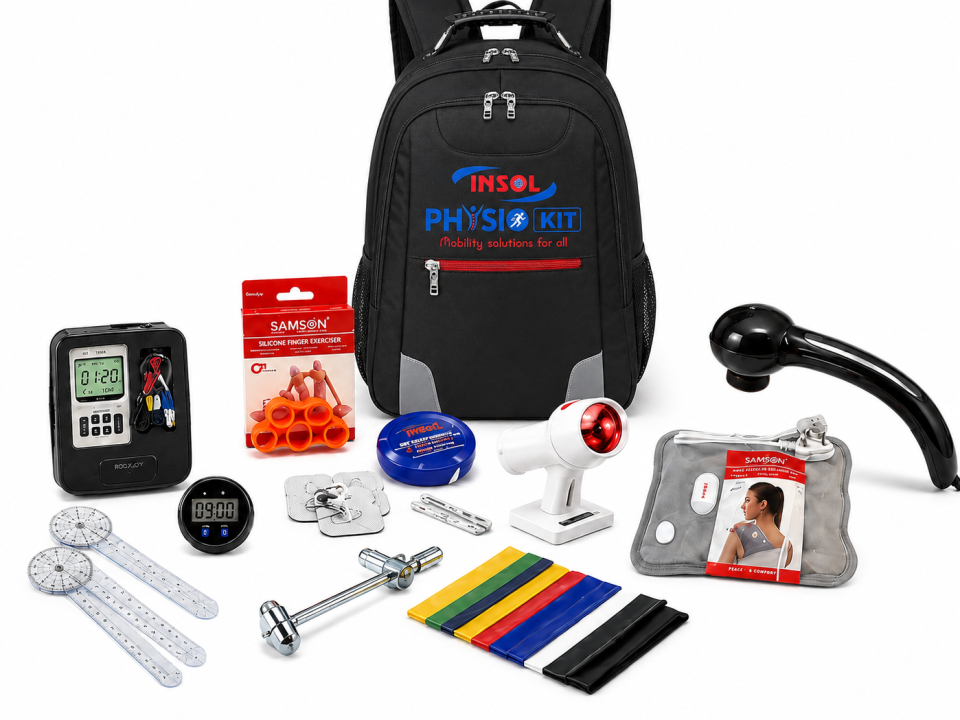
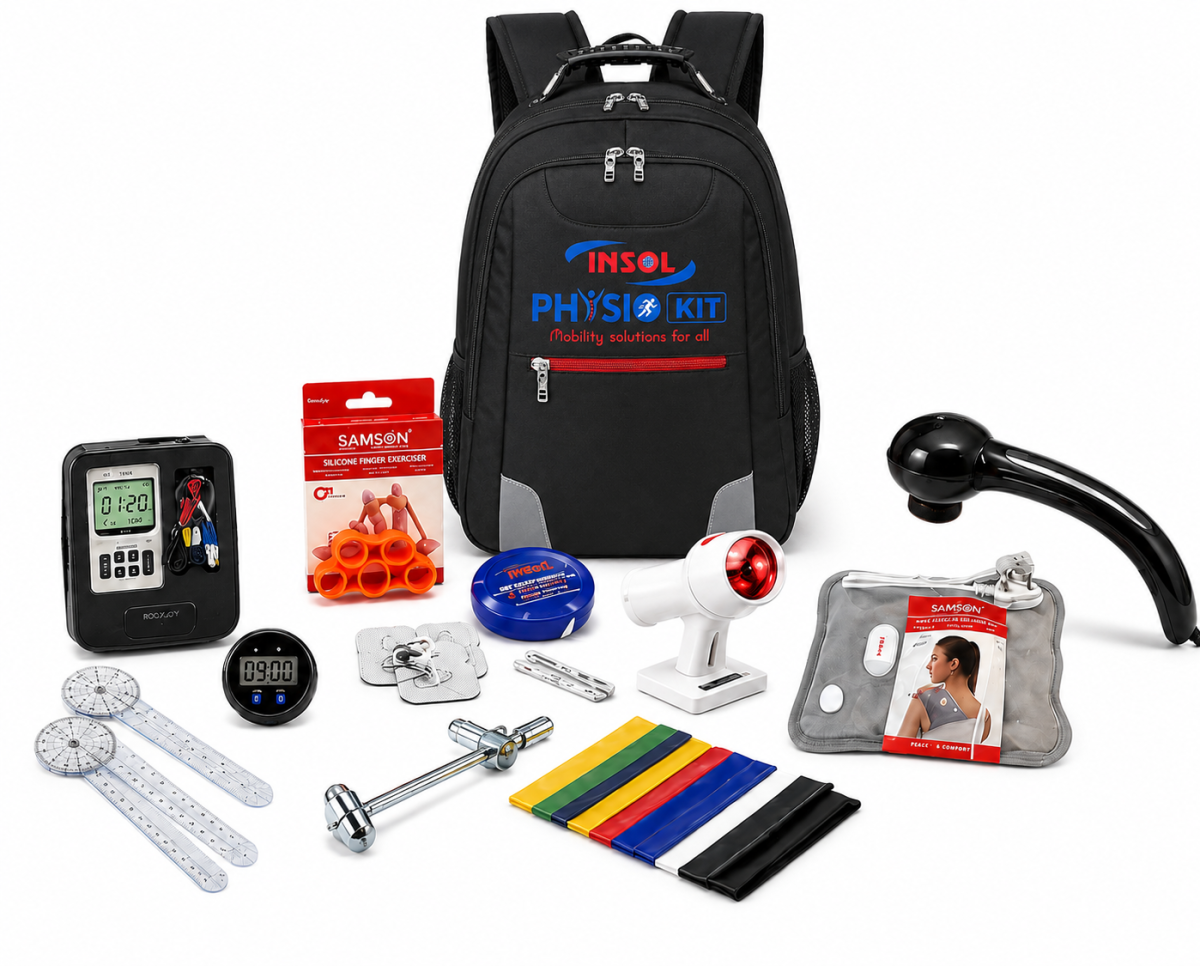
These devices range from braces, pregnancy belts, resistance bands, yoga/birthing balls, and walking aids, among others(check Cart).


Key Aspects of supporting Women’s Health
1. Addressing Functional Limitation
Rehabilitation services, including physiotherapy and occupational therapy, help women regain or improve mobility, reduce pain, and manage conditions or injuries arising from conflicts.
2. Assistive Devices (AT)
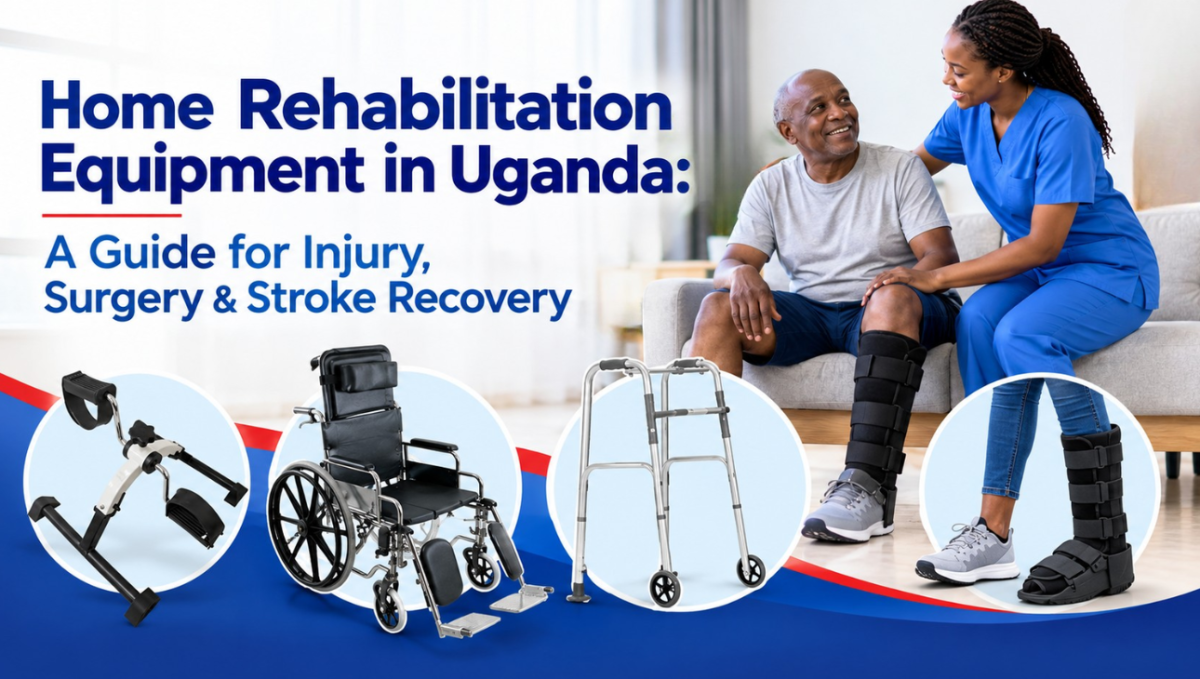
The provision of devices such as wheelchairs, walking sticks, prostheses, canes, and hearing aids is very vital for autonomy and reducing the physical burden on caregivers.
3. Psycho-social and Economic Support
Rehabilitation is a key component of victim assistance for women, including support for mental health, managing the consequences of violence, and fostering economic productivity.
Rehabilitation Interventions
Rehabilitation strategies for women focus on restoring function and improving quality of life through specialized therapy.
- Pelvic floor rehabilitation
Pelvic floor rehabilitation exercises, which include Kegels, bridge poses, and squats, strengthen the muscles supporting the bladder and bowel to treat incontinence and pelvic pain.

Physical therapy, therefore, is a primary, low-risk treatment for pelvic floor disorders (PFDs) like incontinence, prolapse, and chronic pelvic pain.
2. Maternal Health Support
Postnatal rehabilitation includes pelvic floor strengthening and postural exercises to reduce long-term dysfunction risks.
Pelvic floor exercises using assistive devices
Postnatal exercises remain crucial for
- Restoring care and pelvic floor strength, reducing back pain, and aiding weight management after birth.
- Also boosts energy and improves the quality of sleep, which lowers the risk of postpartum depression.
- Kegel exercises strengthen pelvic floor muscles to improve bladder and bowel control.
- Manual therapy: hands-on techniques to release muscle tension and improve flexibility.
This indicates the great need and impact of using assistive devices in supporting and improving the quality of life for women. Thus, there is a need to embrace and utilize the wide range of assistive devices reliably available at INS ORTHOTICS LIMITED.




2 Comments
So you have appointments with your physiotherapists
Yes, please call our contact above or reach out at our shop, PRISM BUILDING ROOM NO. B10.