
Standing Frame with Wheels
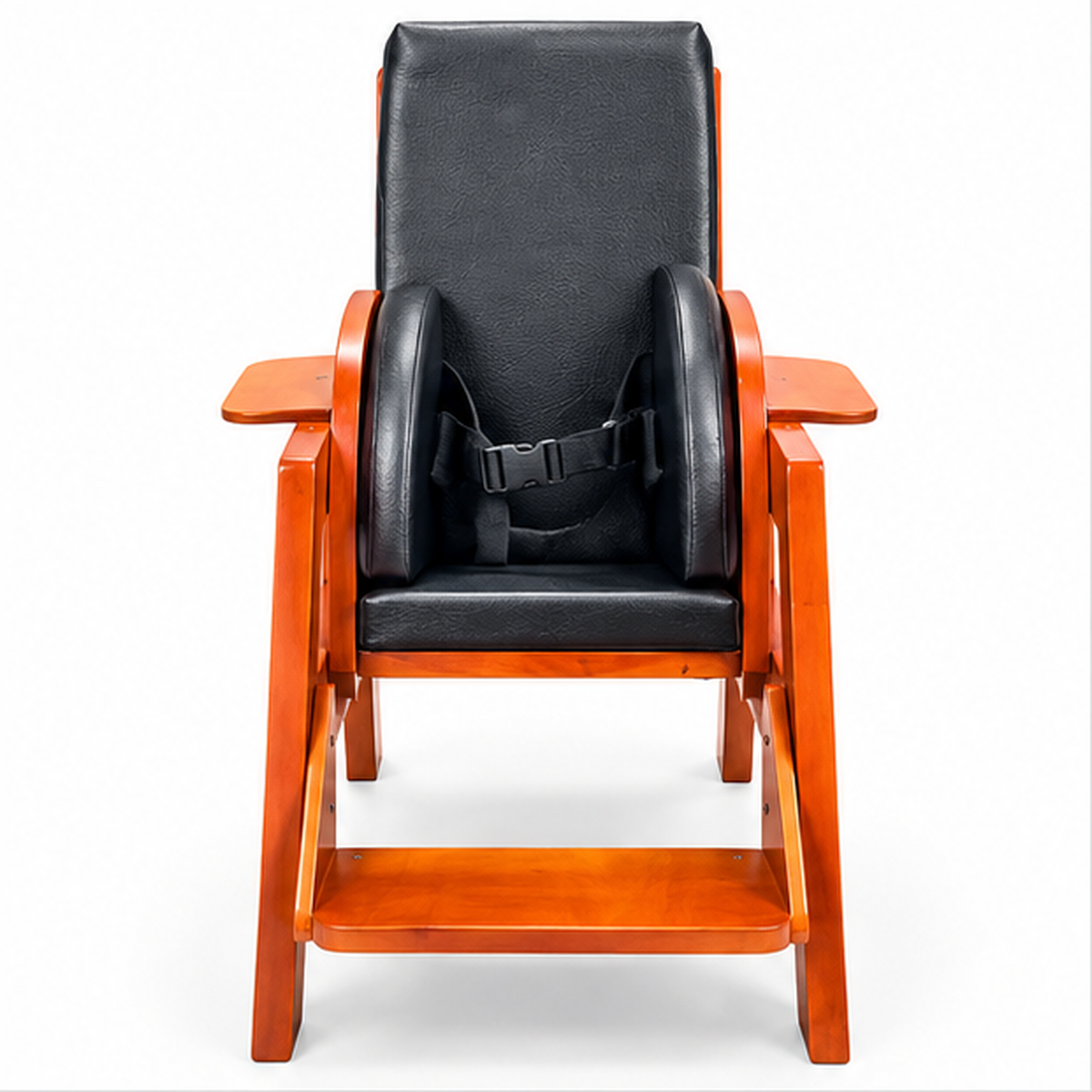
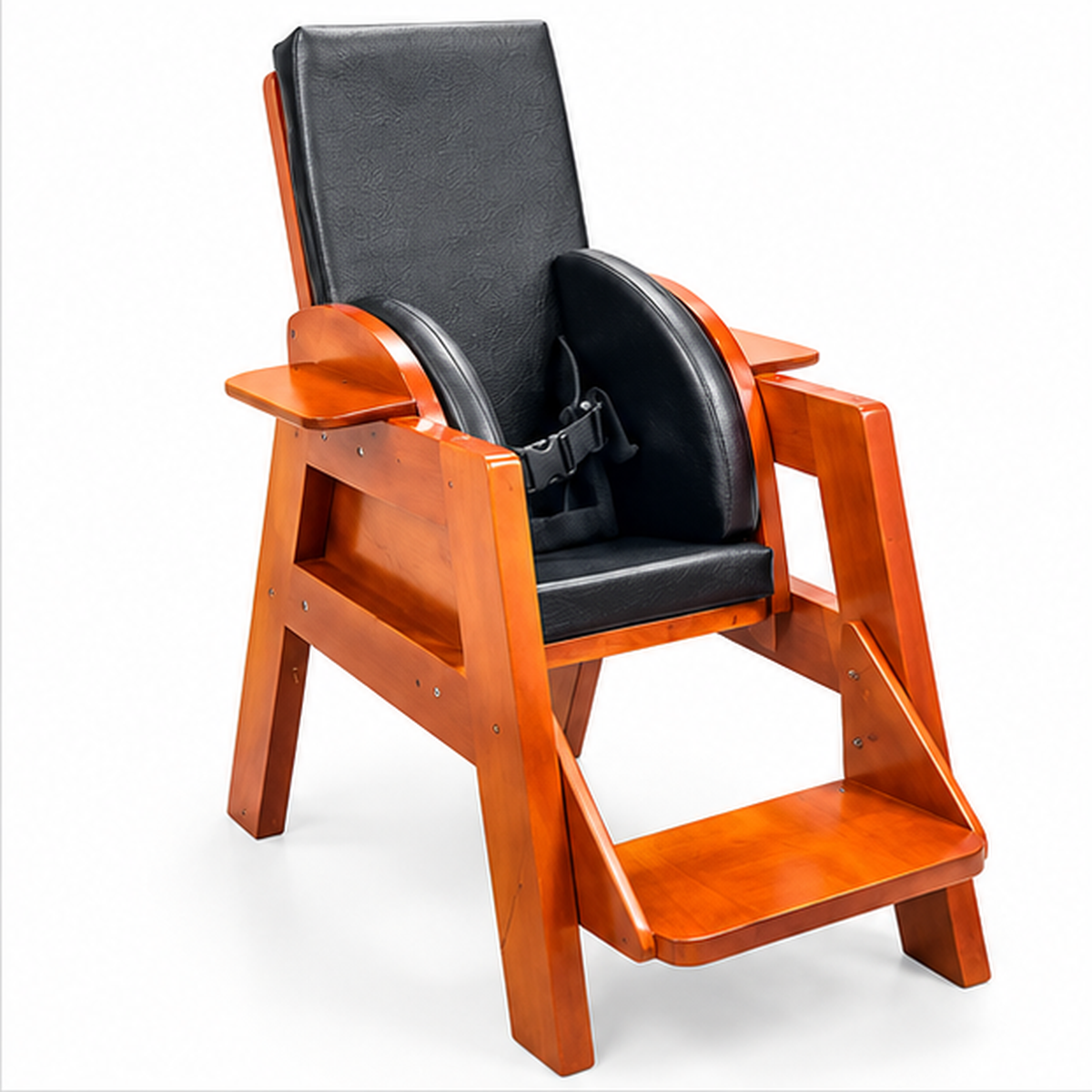
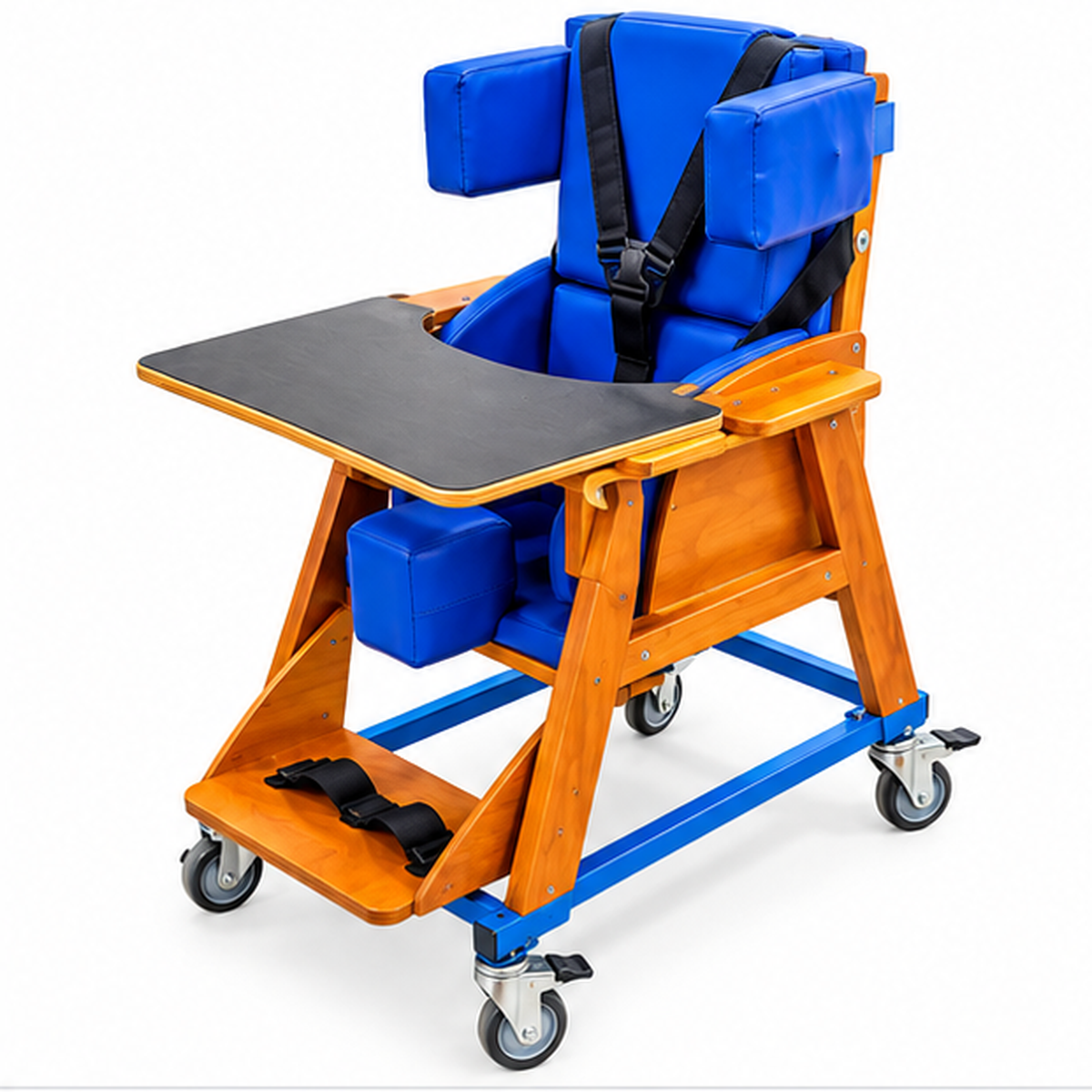
The Custom-Made Standing Frame with Wheels is a specialised rehabilitation and assistive device designed to provide safe, supported standing for individuals with reduced lower-limb strength, limited balance, or difficulty maintaining an upright position independently.
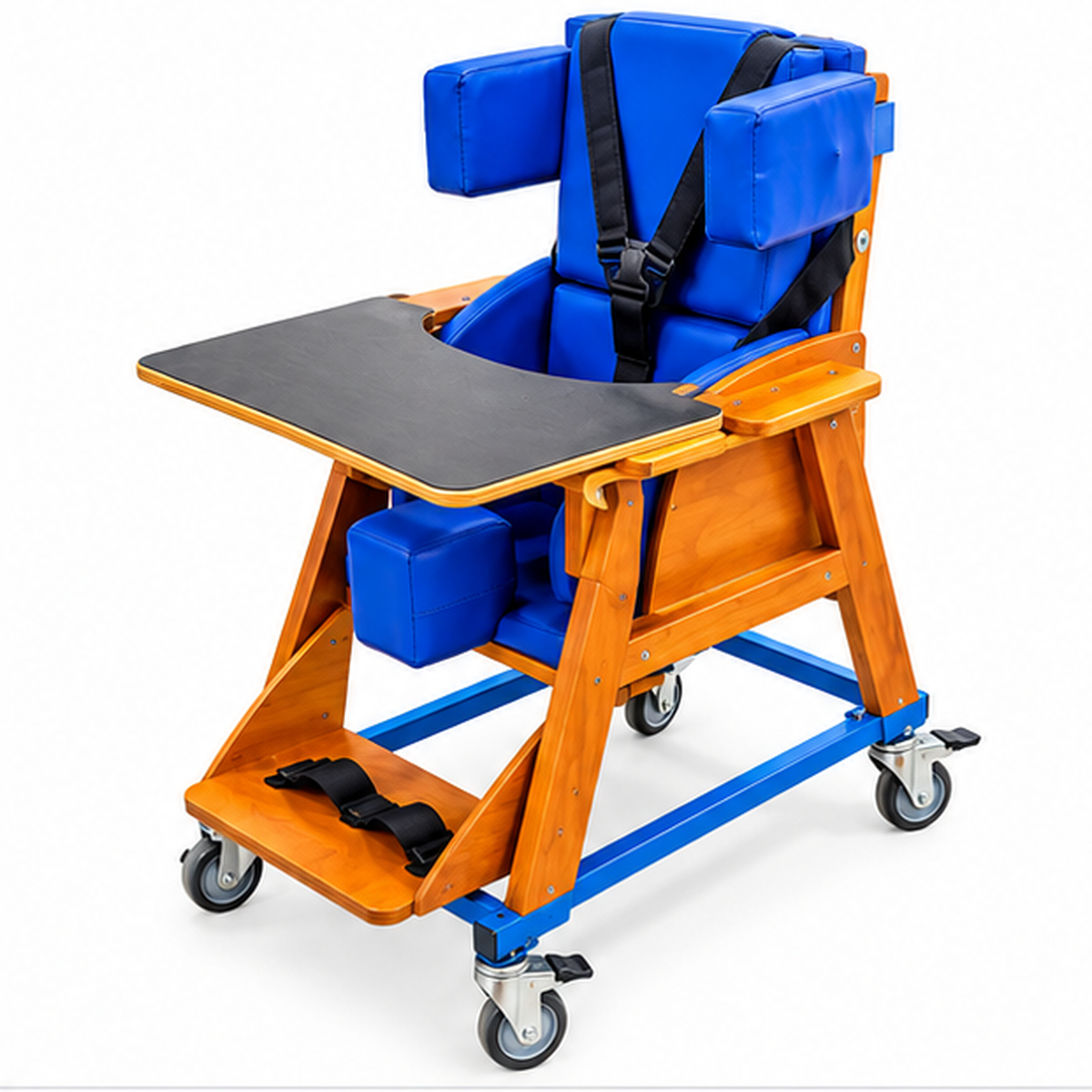
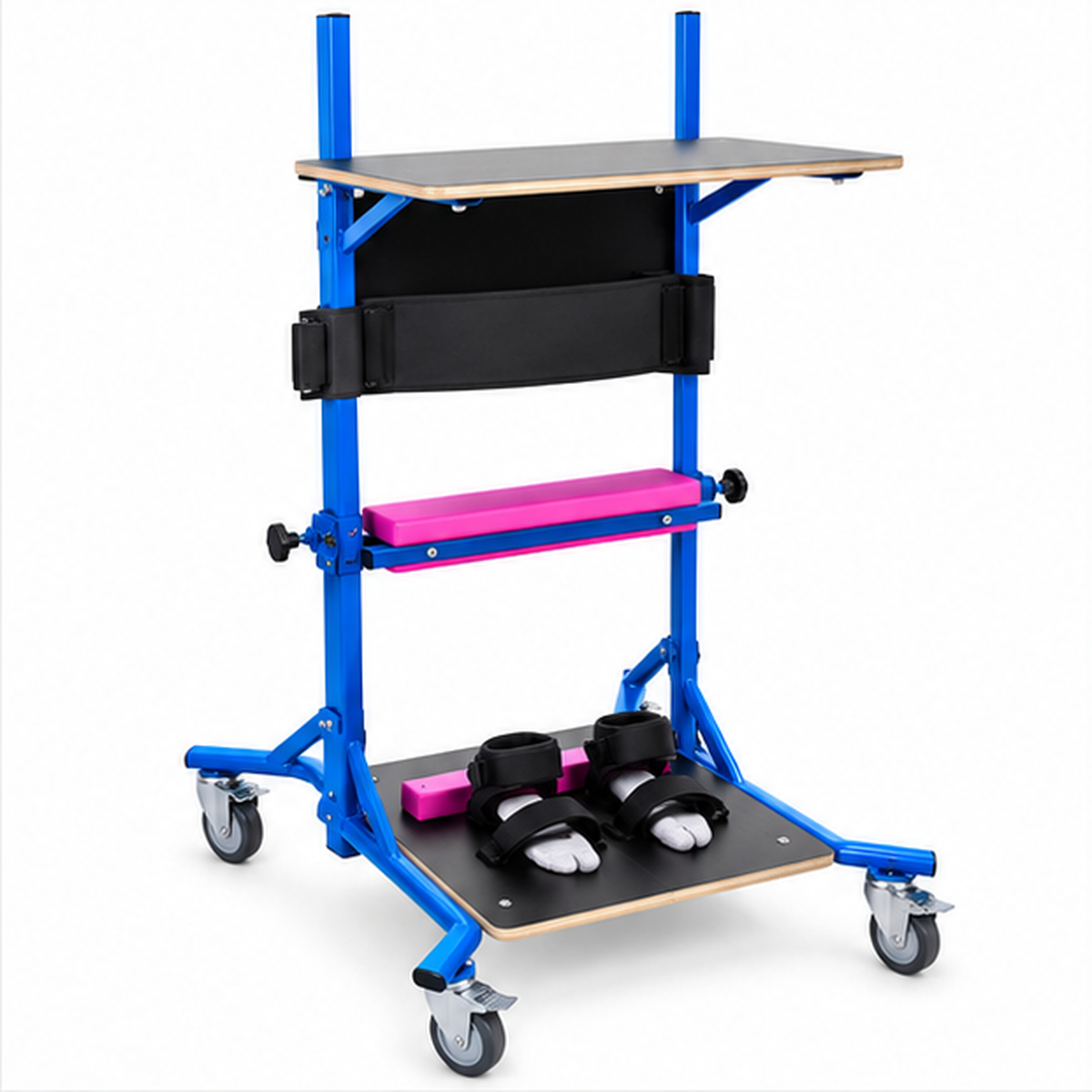
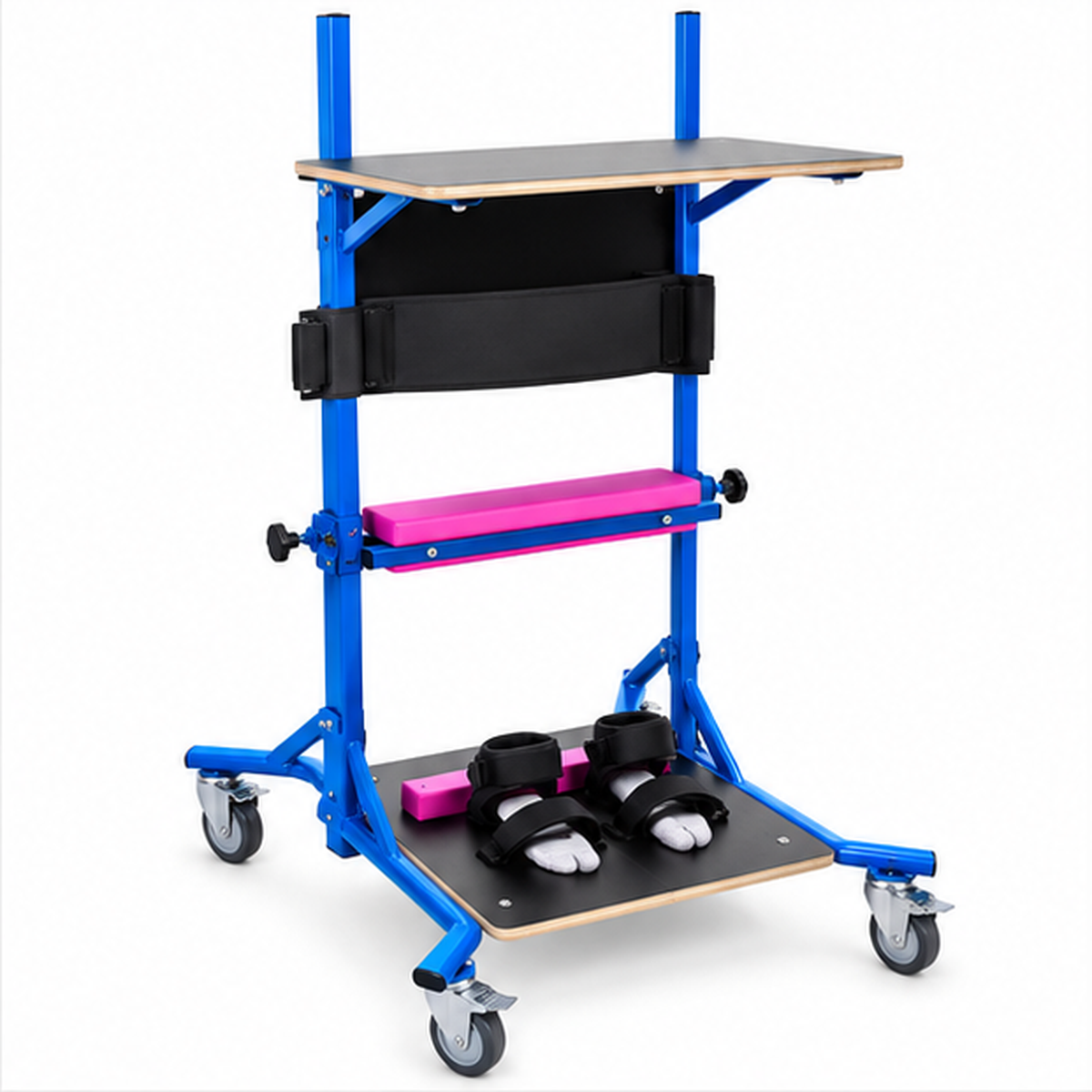
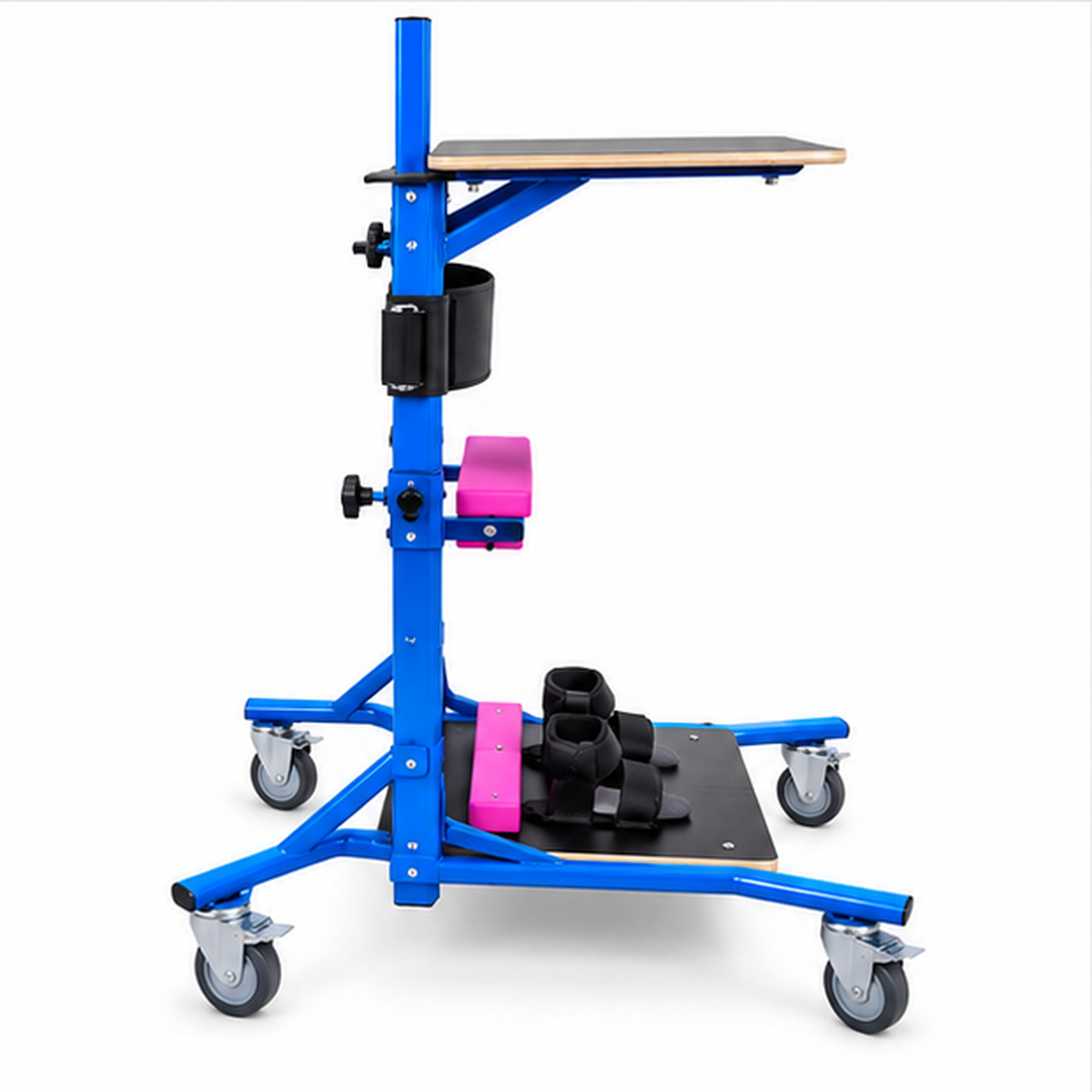
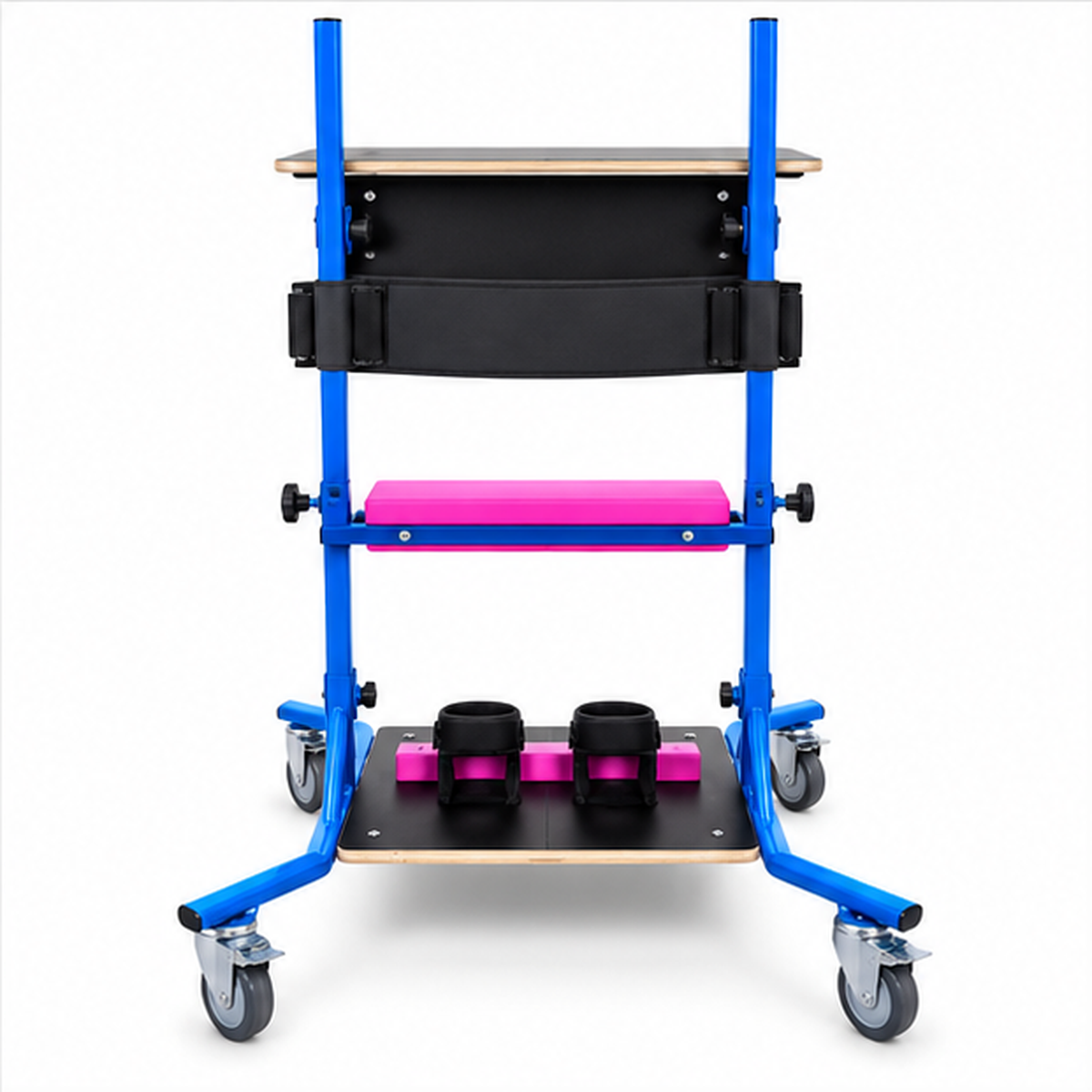
The standing frame features a strong blue metallic structure, a supportive black upper-body positioning panel, a flat activity tabletop, adjustable pink padded knee supports, secure foot-positioning straps, and a reinforced standing platform. It is equipped with caster wheels that allow caregivers and rehabilitation professionals to conveniently reposition the equipment.
Key Features
Custom-Made Design: Individually fabricated according to the user’s measurements, physical condition, and rehabilitation requirements.
Strong Metallic Framework: Features a durable blue metal structure designed to provide stability and support during standing activities.
Mobile Caster Wheels: Equipped with wheels for convenient repositioning within rehabilitation centres, hospitals, and home environments.
Supportive Activity Table: Includes a flat tabletop that provides upper-body support and a convenient surface for therapeutic activities.
Upper-Body Positioning Support: Features a black support panel designed to assist with trunk positioning and stability.
Recommended Uses
Cerebral palsy (CP) rehabilitation
Stroke rehabilitation
Selected spinal cord injuries
Neurological rehabilitation
Neuromuscular conditions
Physiotherapy and occupational therapy exercises
Rehabilitation following prolonged immobility
Benefits
Provides external support for individuals unable to stand independently.
Helps maintain an upright standing position.
Supports prescribed lower-limb weight-bearing activities.
Encourages improved postural awareness and body alignment.
May help maintain joint mobility and muscle length as part of rehabilitation.
Important Information
The Custom-Made Standing Frame with Wheels is a specialised rehabilitation device requiring professional assessment, fitting, and appropriate supervision by a qualified physiotherapist, occupational therapist, orthotist, or rehabilitation professional.
The appropriate standing position, duration, level of weight-bearing, and support configuration depend on the patient’s medical condition, joint mobility, muscle strength, and rehabilitation goals.