
Custom-Made Genu Varus Splint (Bow-Leg Orthosis)
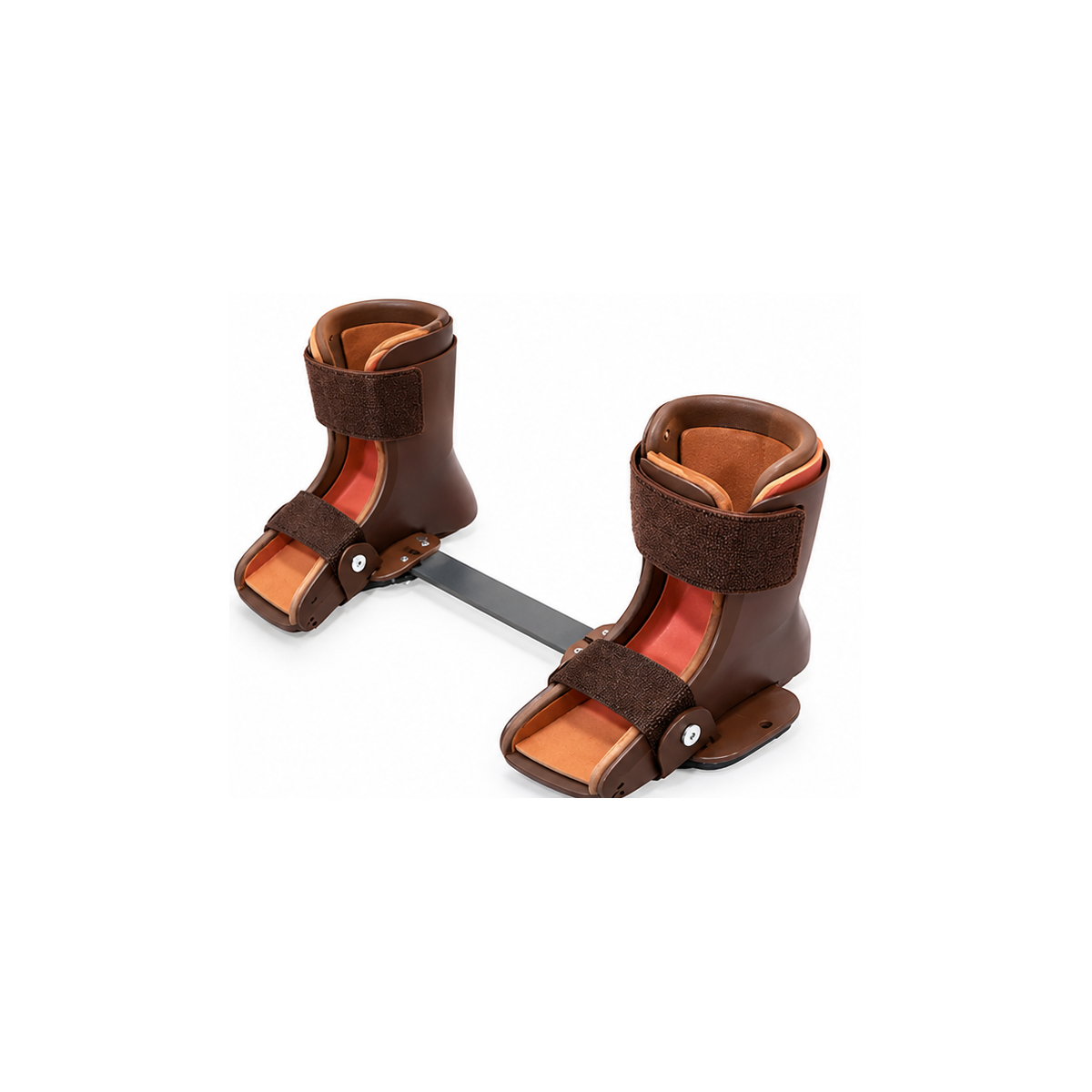
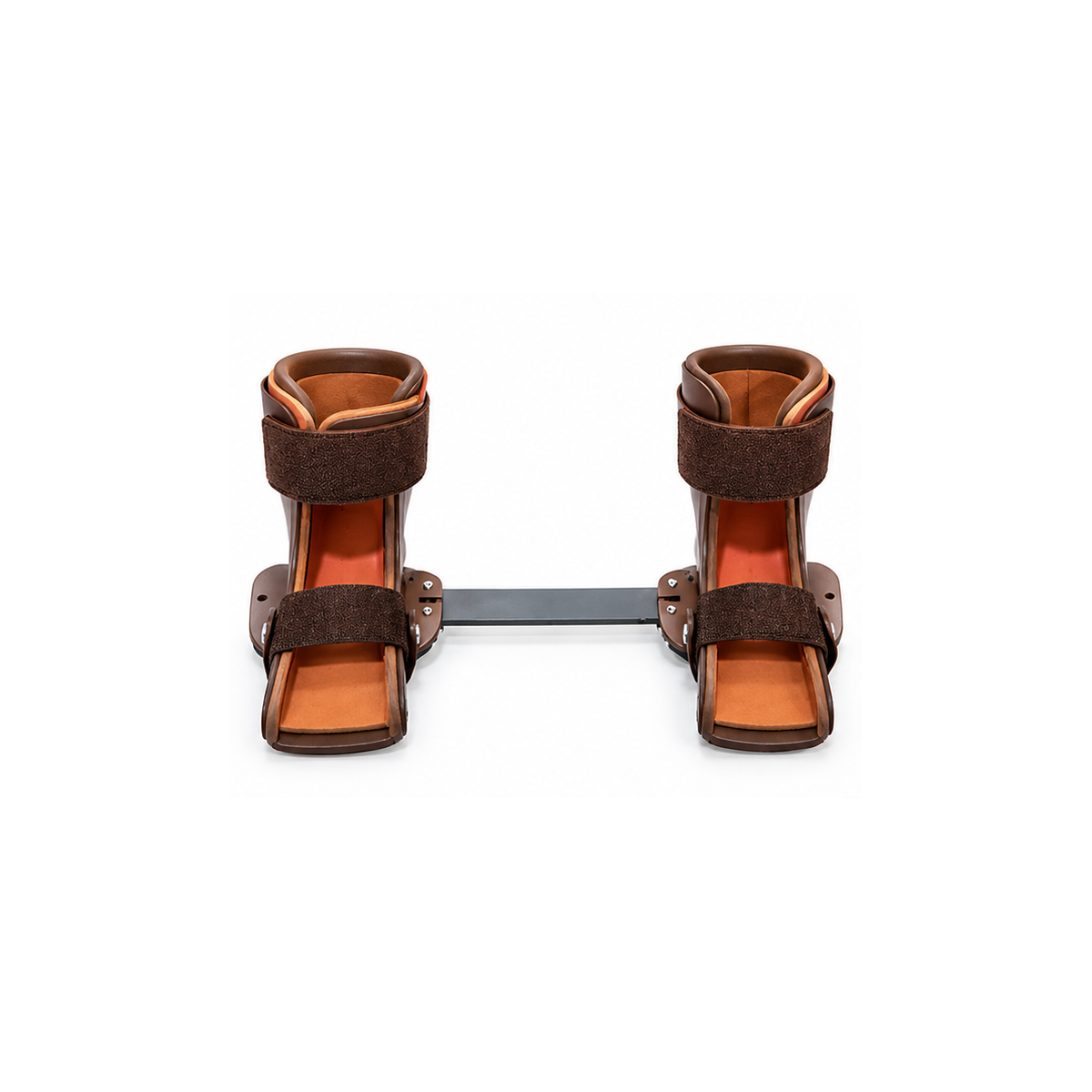
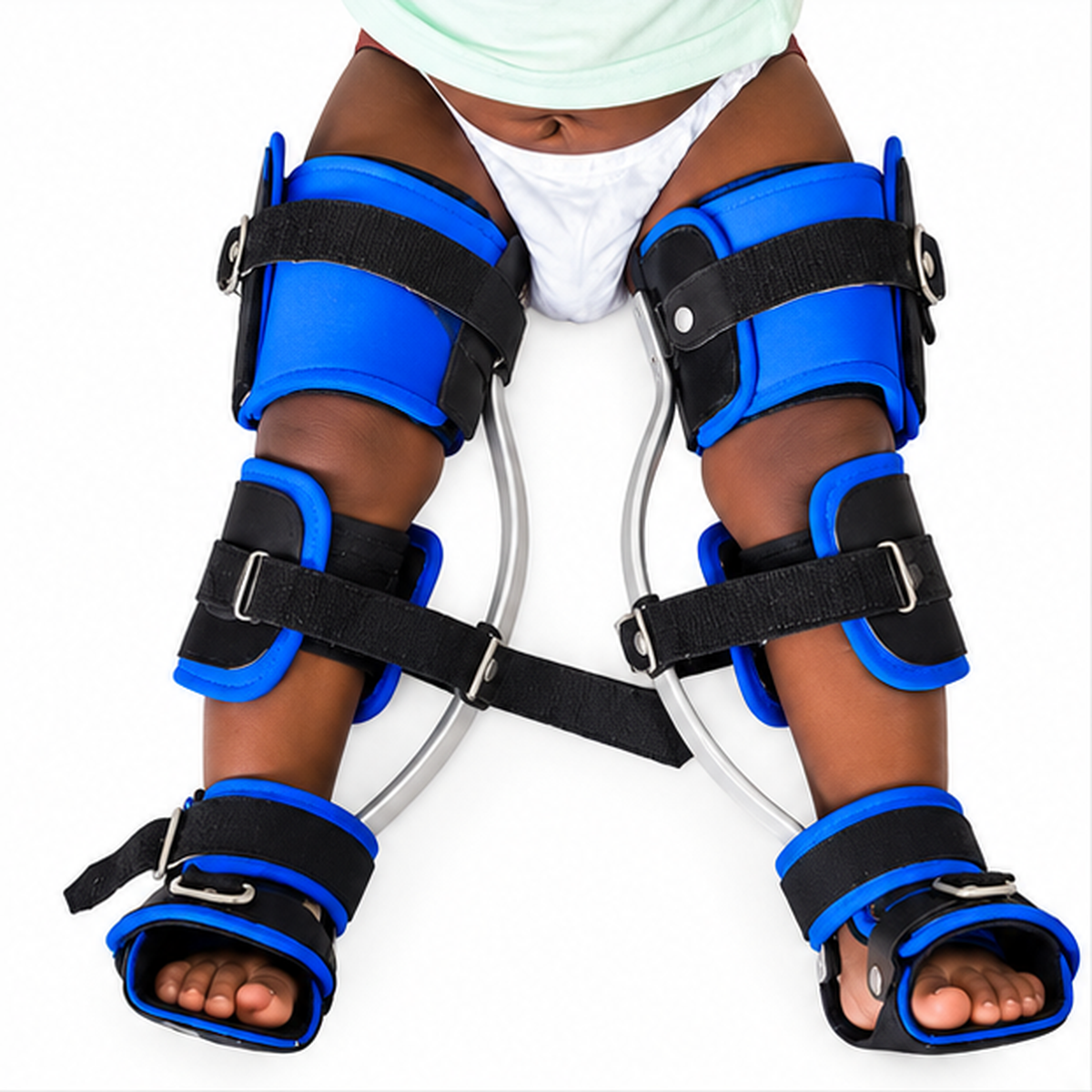
The Custom-Made Genu Varus Splint is a specialised lower-limb orthotic device designed to provide support, stability, and controlled positioning of the knees and legs in individuals with genu varum, commonly known as bow legs.
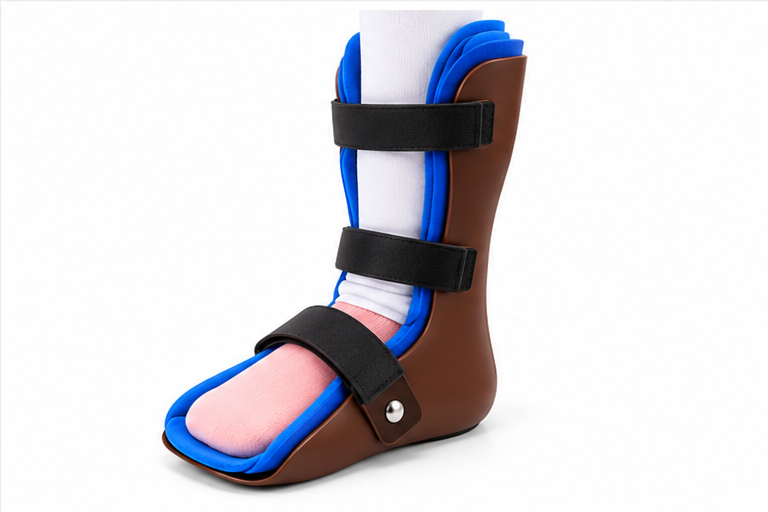
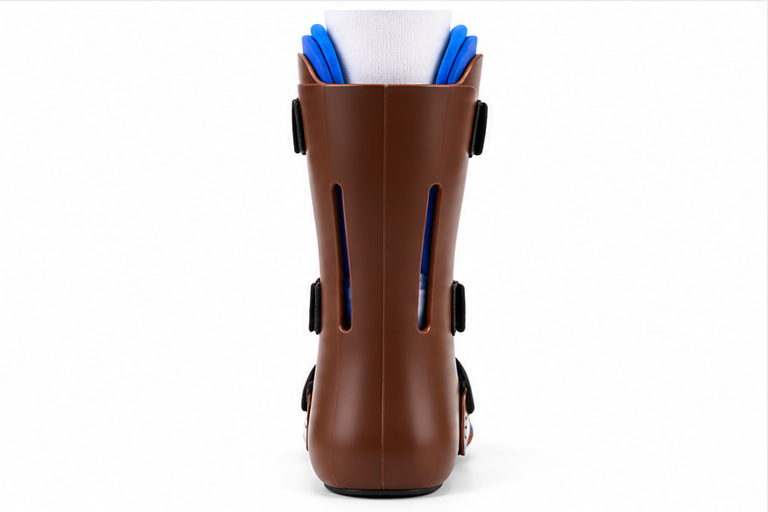
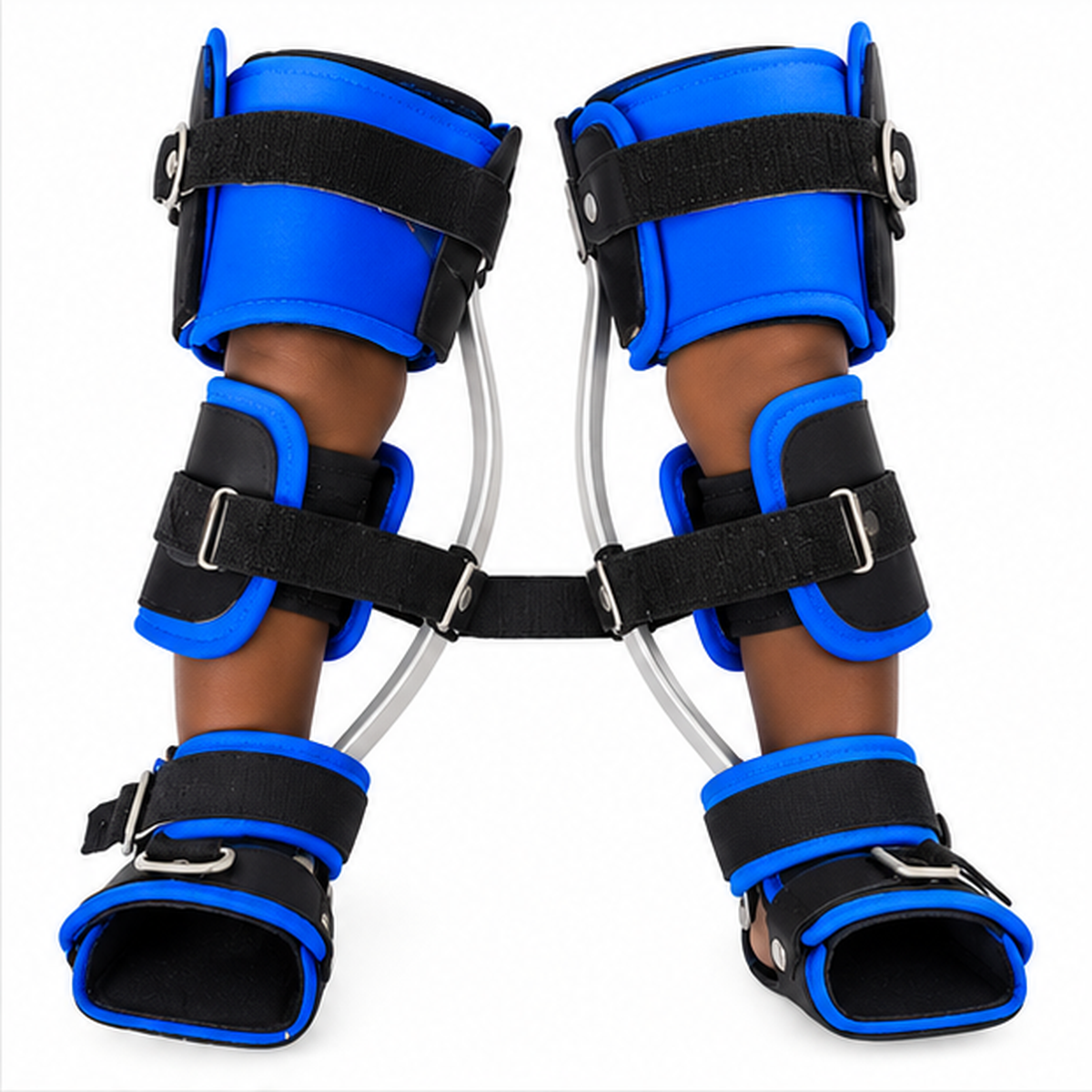
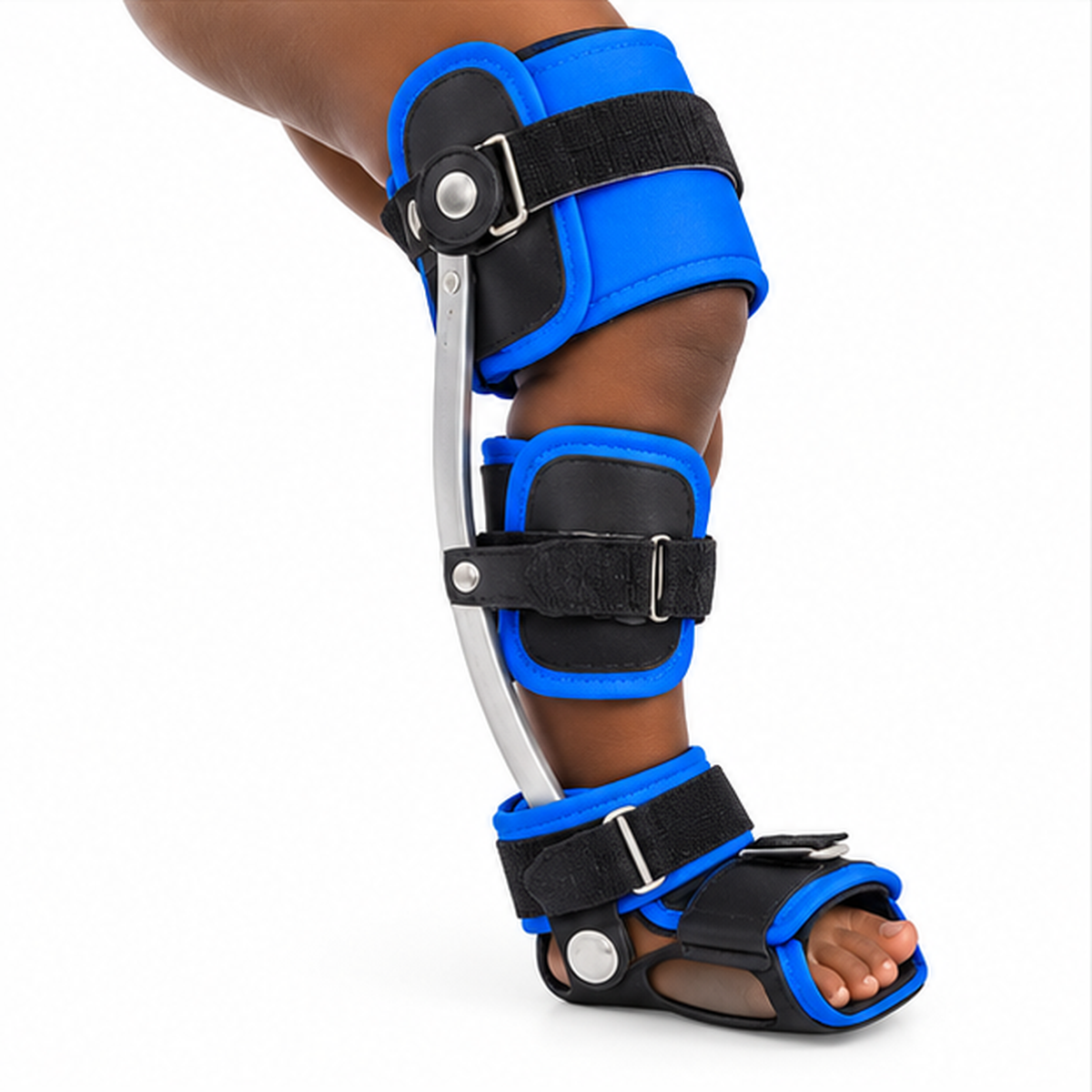
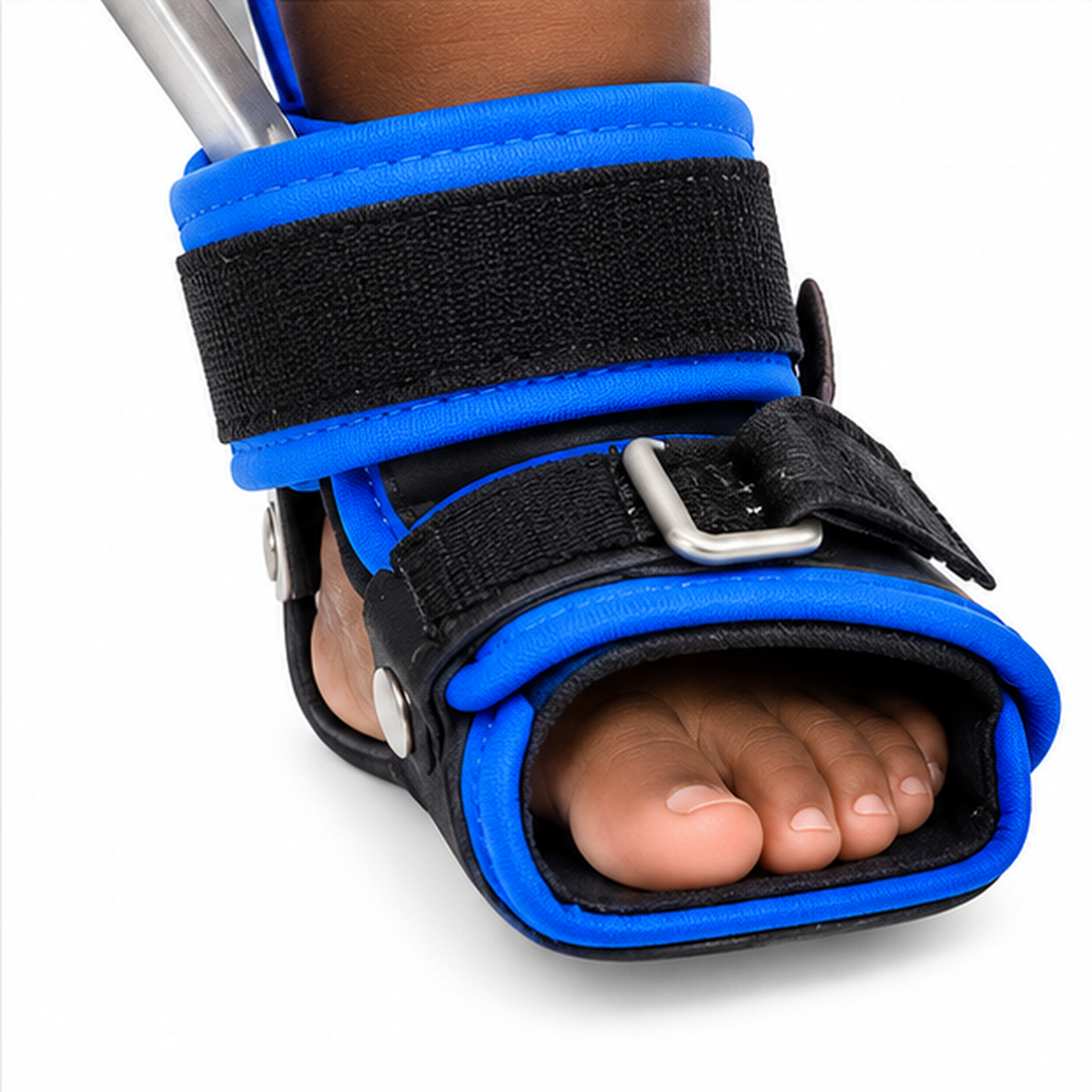
Individually fabricated according to the patient’s body measurements, age, and clinical requirements, the splint features a supportive metal framework, comfortable blue padded cuffs, adjustable black fastening straps, and integrated foot supports. Its design helps maintain the lower limbs in a prescribed position while providing external support around the knees, ankles, and feet. The Genu Varus Splint is particularly suitable for selected paediatric orthopaedic conditions requiring customised lower-limb positioning and support under professional supervision.
Key Features
Custom-Made Design: Individually fabricated according to the patient’s leg measurements, physical condition, and orthotic requirements.
Knee Alignment Support: Provides controlled positioning and external support for knees affected by genu varum.
Durable Metal Framework: Features curved metal supports designed to maintain the prescribed lower-limb position.
Comfortable Padded Cuffs: Soft blue cushioning around the thighs, knees, and ankles helps improve comfort and reduce pressure.
Adjustable Fastening Straps: Secure black straps allow personalised fitting and appropriate positioning.
Integrated Foot Supports: Help maintain prescribed foot and ankle alignment.
Supportive Knee Sections: Provide additional stability around the knee joints.
Paediatric-Friendly Design: Customised to accommodate children’s body measurements and growth-related needs.
Recommended Uses
Selected cases of genu varum (bow legs)
Lower-limb alignment difficulties requiring orthotic support
Certain paediatric orthopaedic conditions
Selected cases of Blount disease, when bracing is clinically indicated
Knee instability associated with neuromuscular conditions
Lower-limb positioning during prescribed rehabilitation
Patients requiring customised knee, ankle, and foot support
Benefits
Provides external support to the knees and lower limbs.
Helps maintain prescribed lower-limb positioning.
Supports stability during appropriate supervised activities.
Offers individualised support according to the patient’s measurements.
Provides comfortable, adjustable positioning around the legs.
May assist with alignment management in selected conditions where bracing is indicated.
Supports prescribed orthopaedic and rehabilitation programmes.
Important Information
The custom-made genu varus splint is a prescription-based orthotic device requiring professional assessment, accurate measurements, fabrication, and fitting by a qualified orthotist.
Not all cases of bow legs require splinting. Physiological genu varum is common in infants and young children and often improves naturally as they grow. Bracing does not reliably correct ordinary developmental bowing.
For certain conditions, such as selected early cases of infantile Blount disease, specialised orthotic treatment may be recommended by an orthopaedic specialist. Treatment effectiveness depends on the underlying diagnosis, age, severity, and prescribed brace design.
Regular follow-up appointments are recommended to monitor growth, comfort, skin condition, and lower-limb alignment.