
Custom-Made Genu Valgus Splint (Knock-Knee Orthosis)
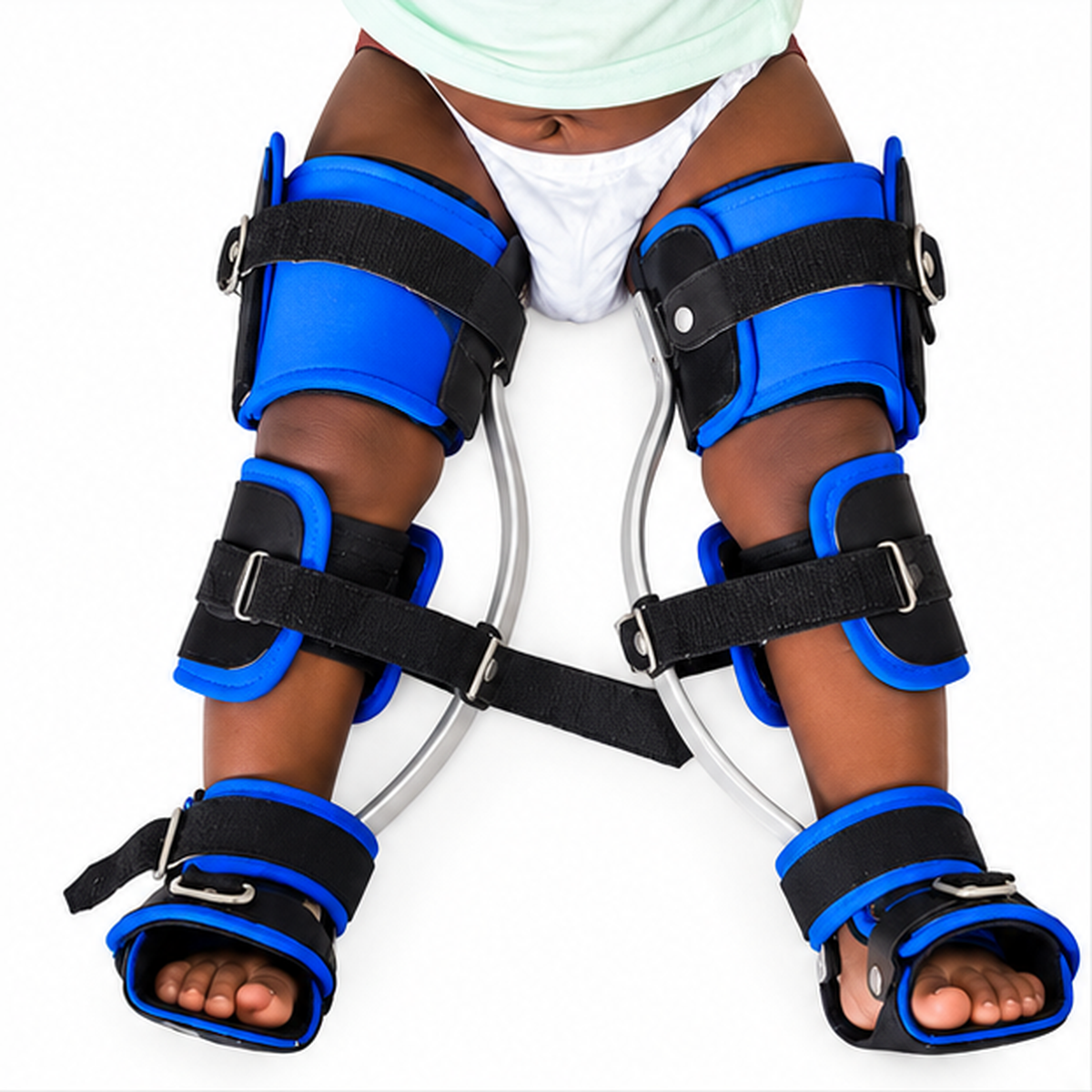
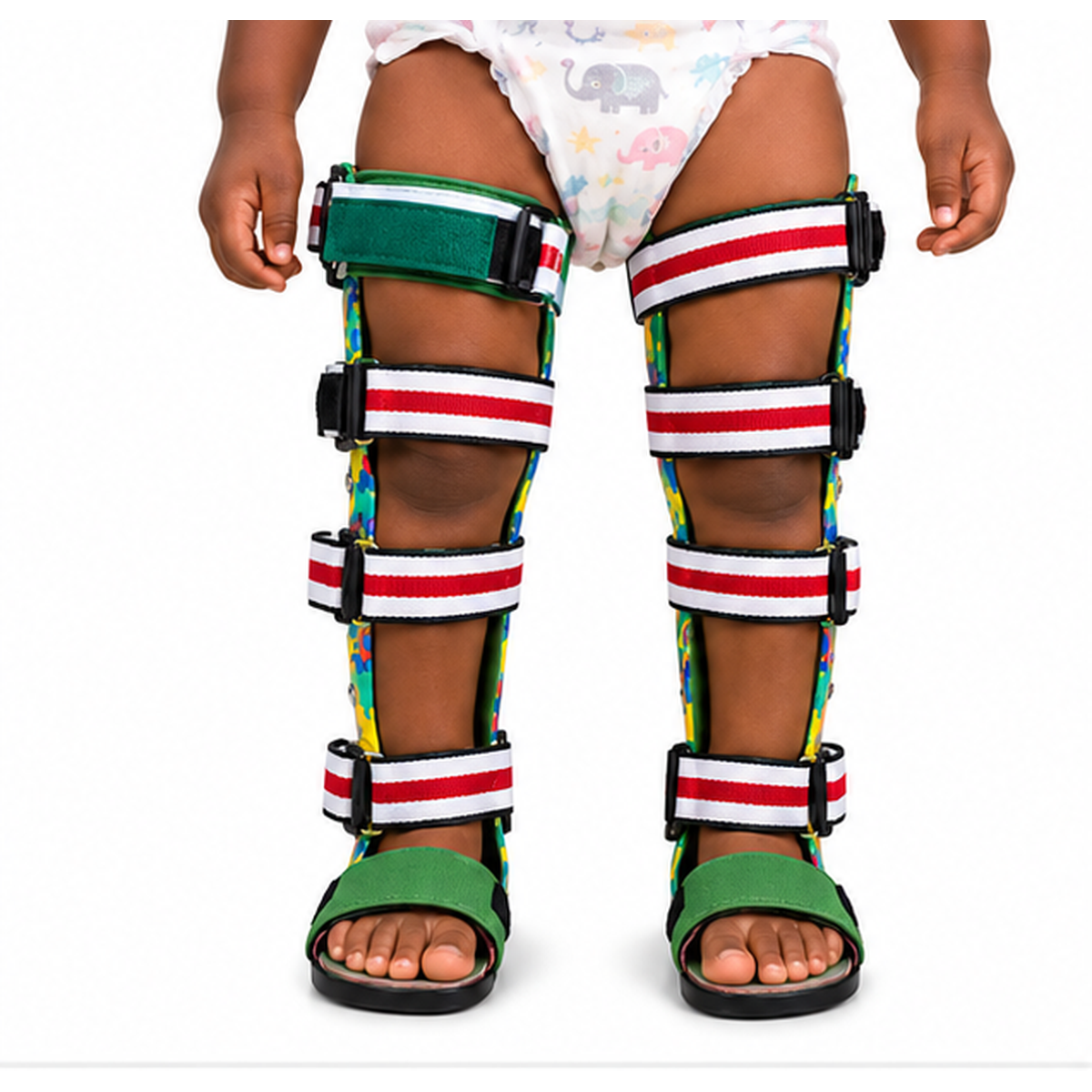
The Custom-Made Genu Valgus Splint is a specialised lower-limb orthotic device designed to provide support, stability, and controlled positioning of the knees and lower limbs in individuals with genu valgum, commonly known as knock knees.
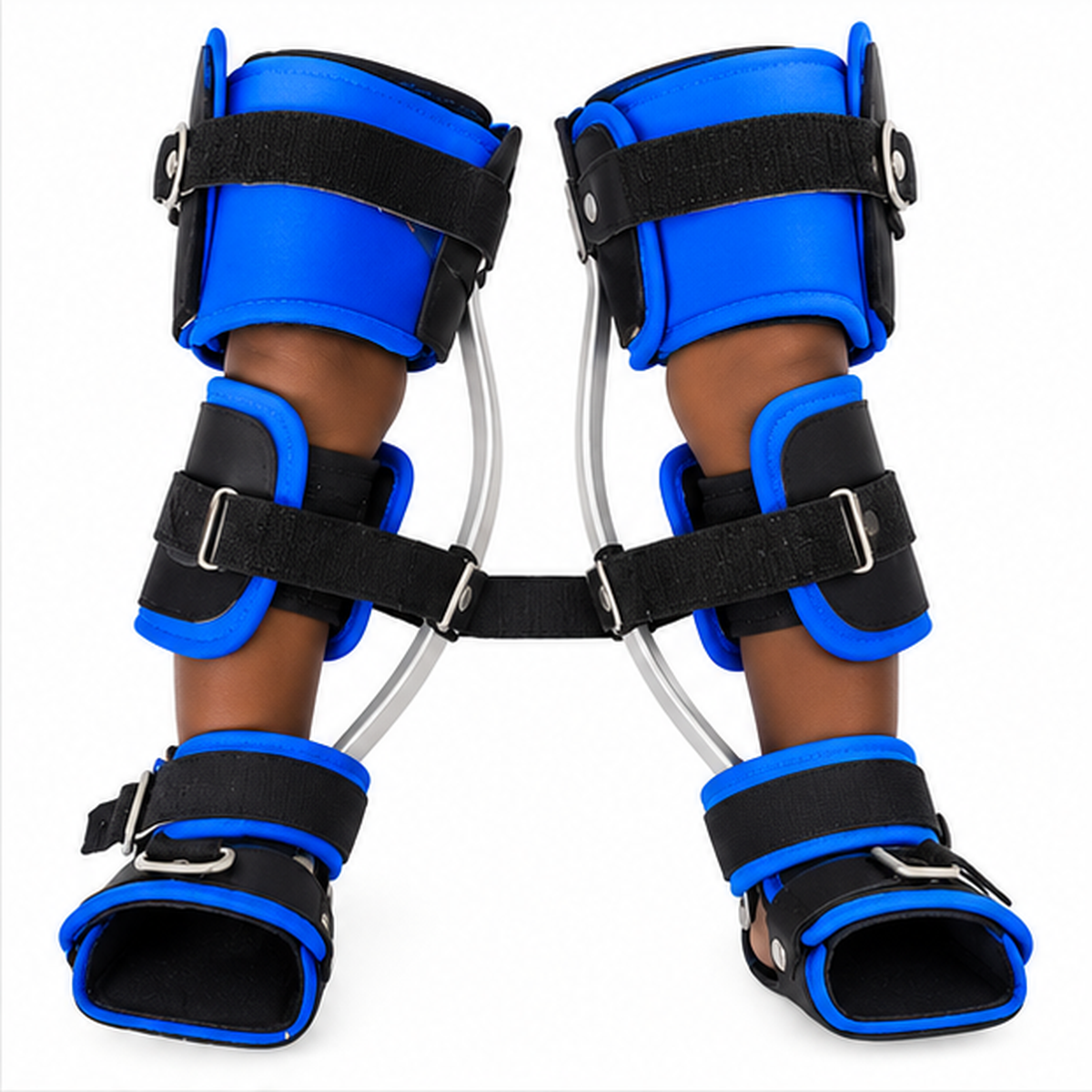
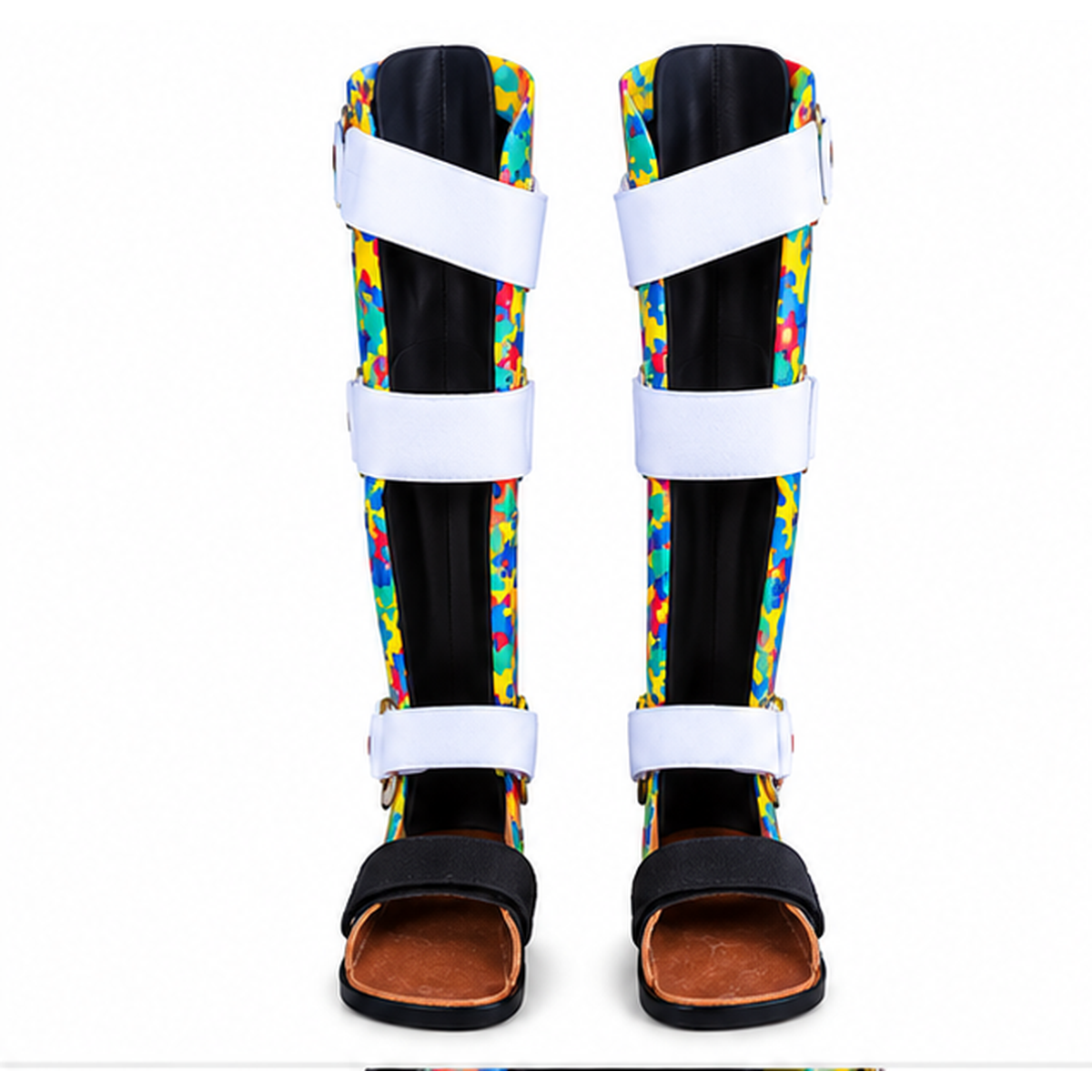
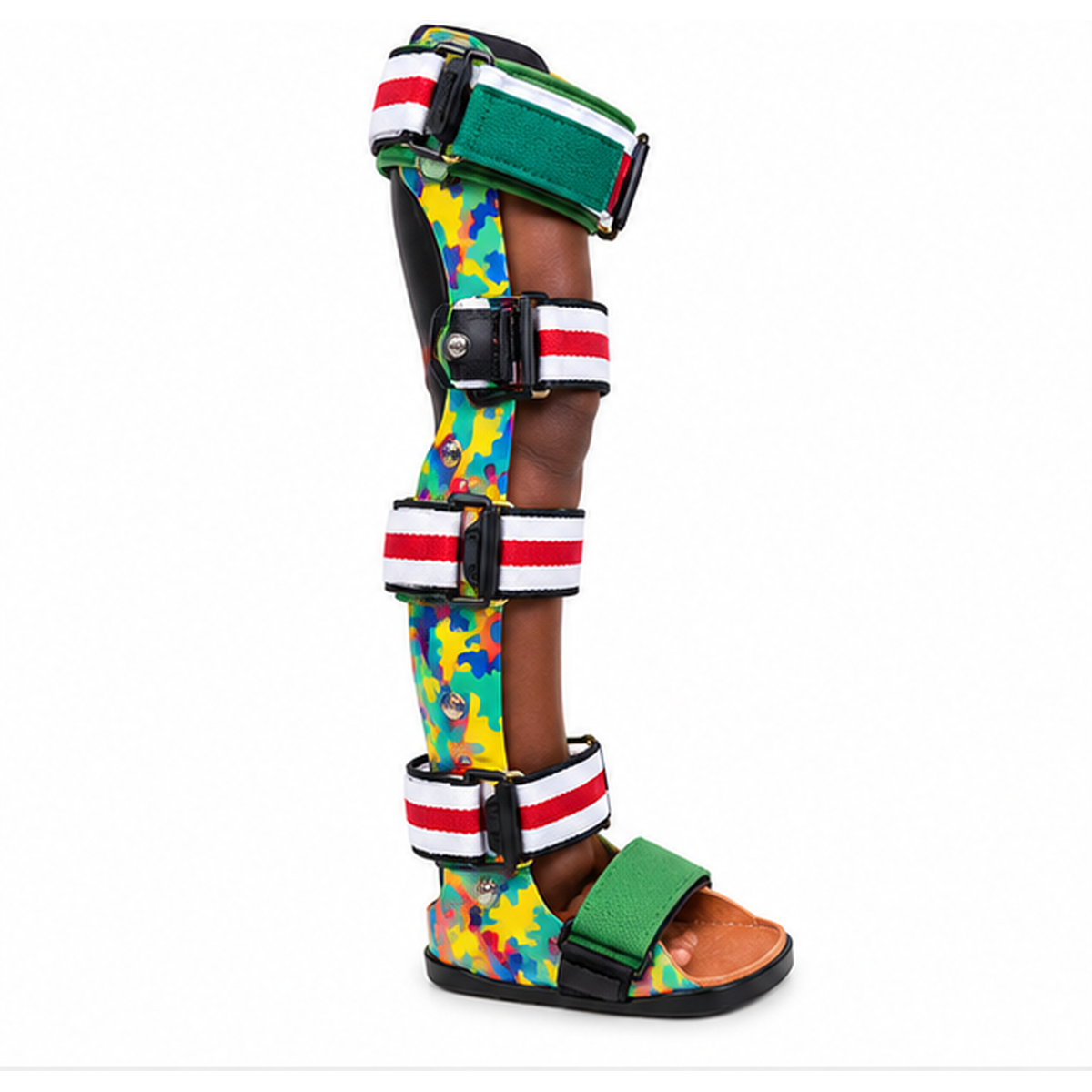
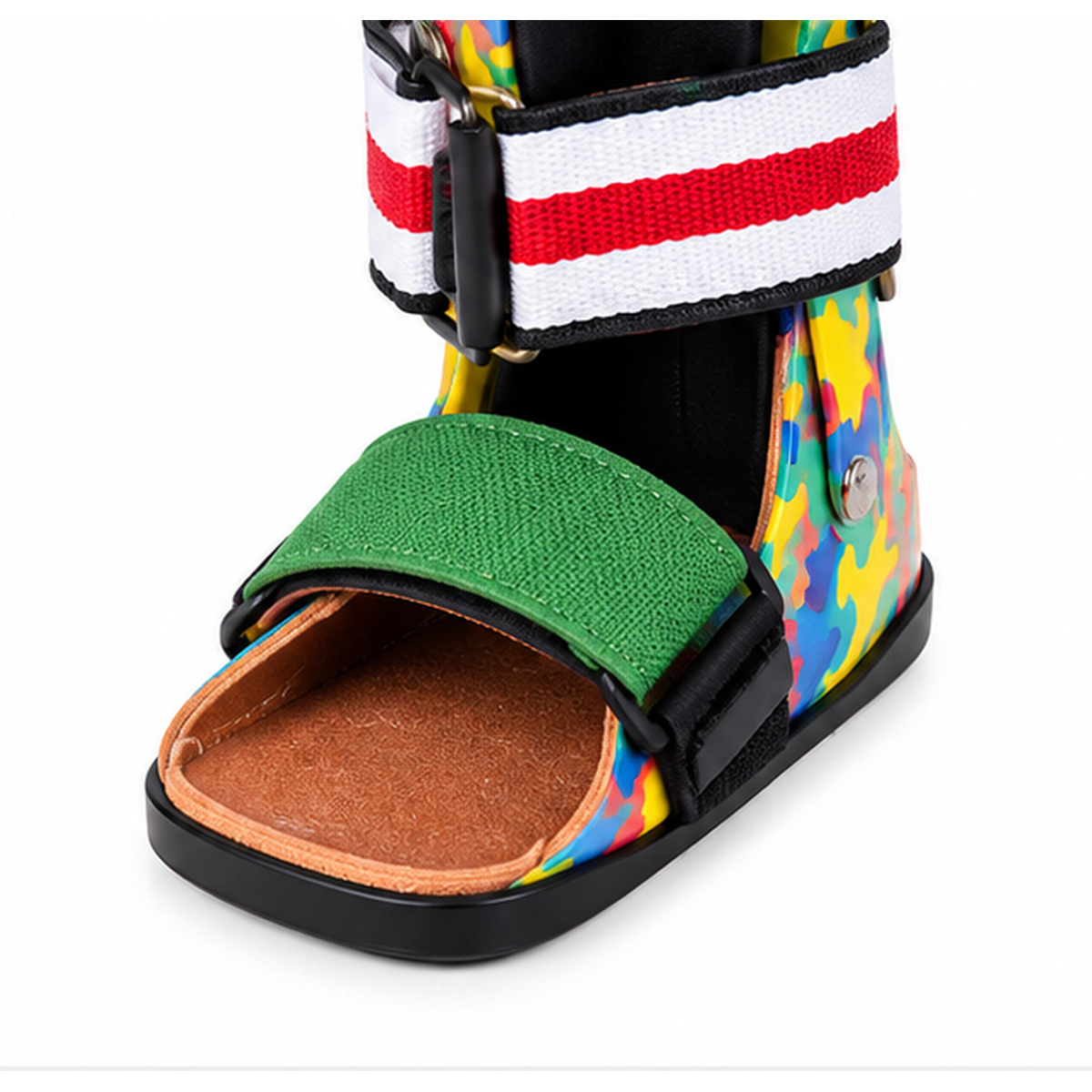
The splint is individually fabricated according to the patient’s body measurements, age, degree of knee misalignment, and clinical requirements. It features a rigid supportive framework extending along the lower limbs, adjustable fastening straps, cushioned contact surfaces, and integrated foot supports to help maintain the prescribed alignment. Designed primarily for children requiring additional lower-limb positioning support, the Genu Valgus Splint may be incorporated into a professionally supervised orthopaedic management or rehabilitation programme.
Key Features
Custom-Made Design: Individually fabricated according to the patient’s lower-limb measurements and clinical requirements.
Knee Alignment Support: Provides controlled positioning and support for knees affected by genu valgum.
Rigid Support Framework: Features durable structural supports designed to maintain prescribed lower-limb positioning.
Adjustable Fastening Straps: Secure the splint around the thighs, knees, calves, and ankles for a personalised fit.
Integrated Foot Supports: Help maintain appropriate foot and ankle positioning.
Comfortable Padding: Cushioned contact surfaces help reduce pressure and improve comfort.
Durable Construction: Manufactured using strong orthotic materials suitable for prescribed use.
Paediatric-Friendly Design: Can be customised in different sizes, colours, and finishes to accommodate children’s needs.
Recommended Uses
Selected cases of genu valgum (knock knees)
Lower-limb alignment difficulties requiring orthotic support
Knee instability associated with certain neuromuscular conditions
Selected paediatric orthopaedic conditions
Lower-limb positioning during prescribed rehabilitation
Individuals requiring customised knee, ankle, and foot support
Benefits
Provides external support to the knees and lower limbs.
Helps maintain prescribed lower-limb positioning.
Supports stability during appropriate supervised activities.
Provides customised support according to individual measurements.
Helps accommodate specific orthopaedic and rehabilitation needs.
Offers secure fastening and comfortable padded support.
May assist functional positioning in selected patients.
Important Information
The custom-made genu valgus splint is a prescription-based orthotic device requiring professional assessment, accurate measurements, fabrication, and fitting by a qualified orthotist.
Not all cases of knock knees require orthotic treatment. Mild genu valgum is common during childhood and often improves naturally with growth. Splints do not reliably correct the underlying bone alignment in typical developmental genu valgum. The suitability of this device depends on the cause and severity of the deformity, the child’s age, and the treating specialist’s assessment. Regular follow-up is recommended to monitor comfort, skin condition, growth, and lower-limb alignment.