Custom-Made Erb’s Palsy Splint
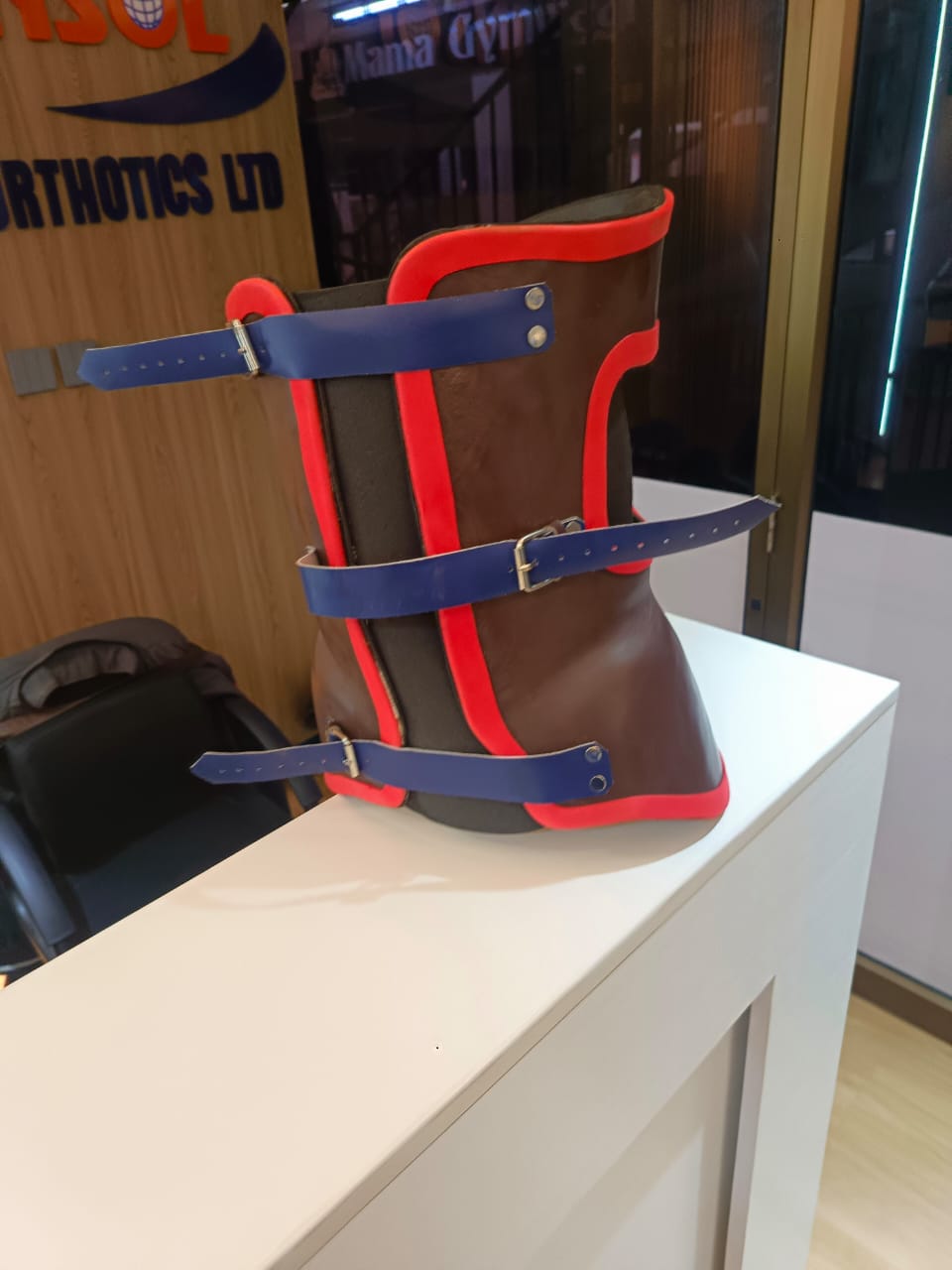
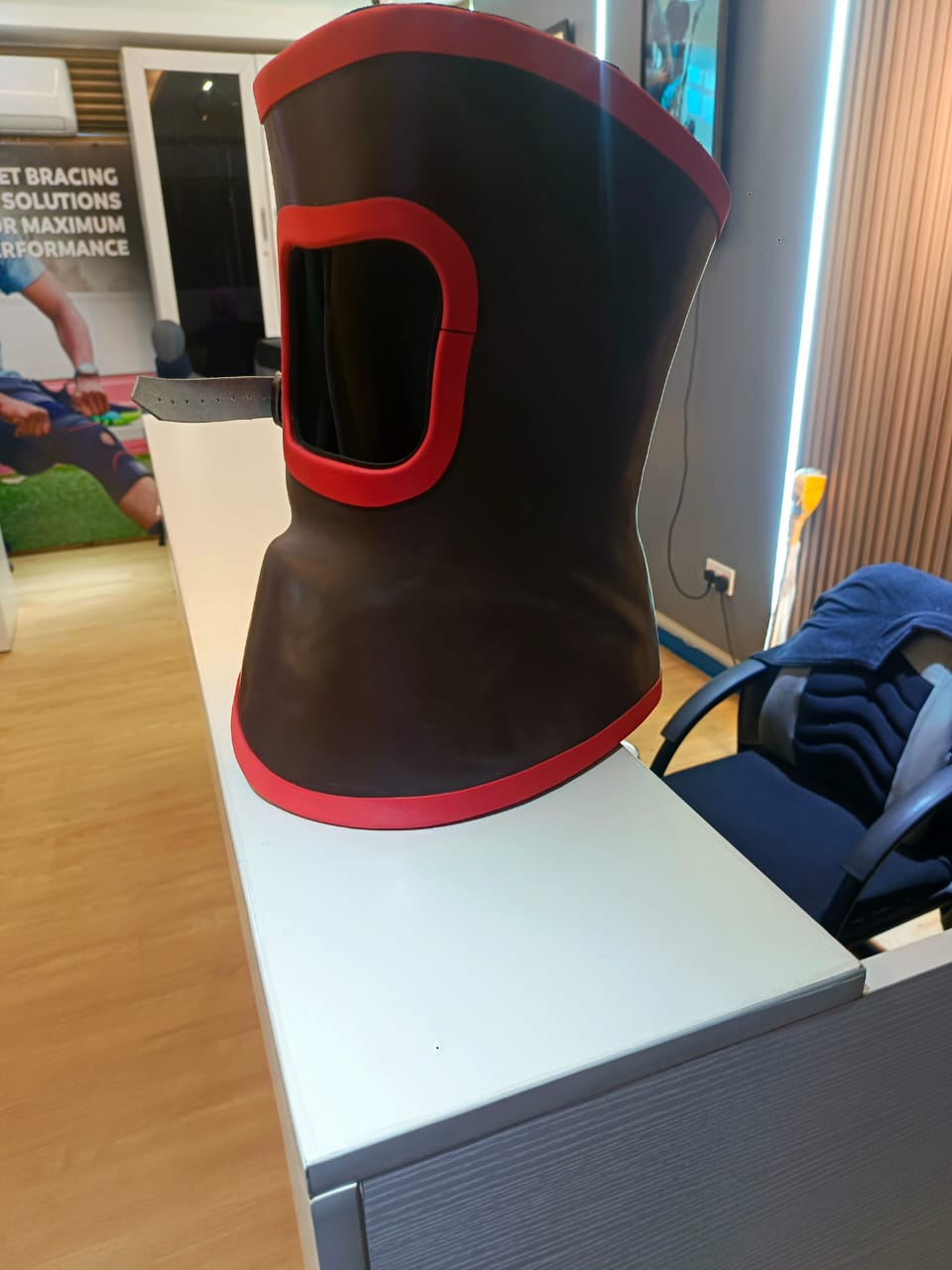
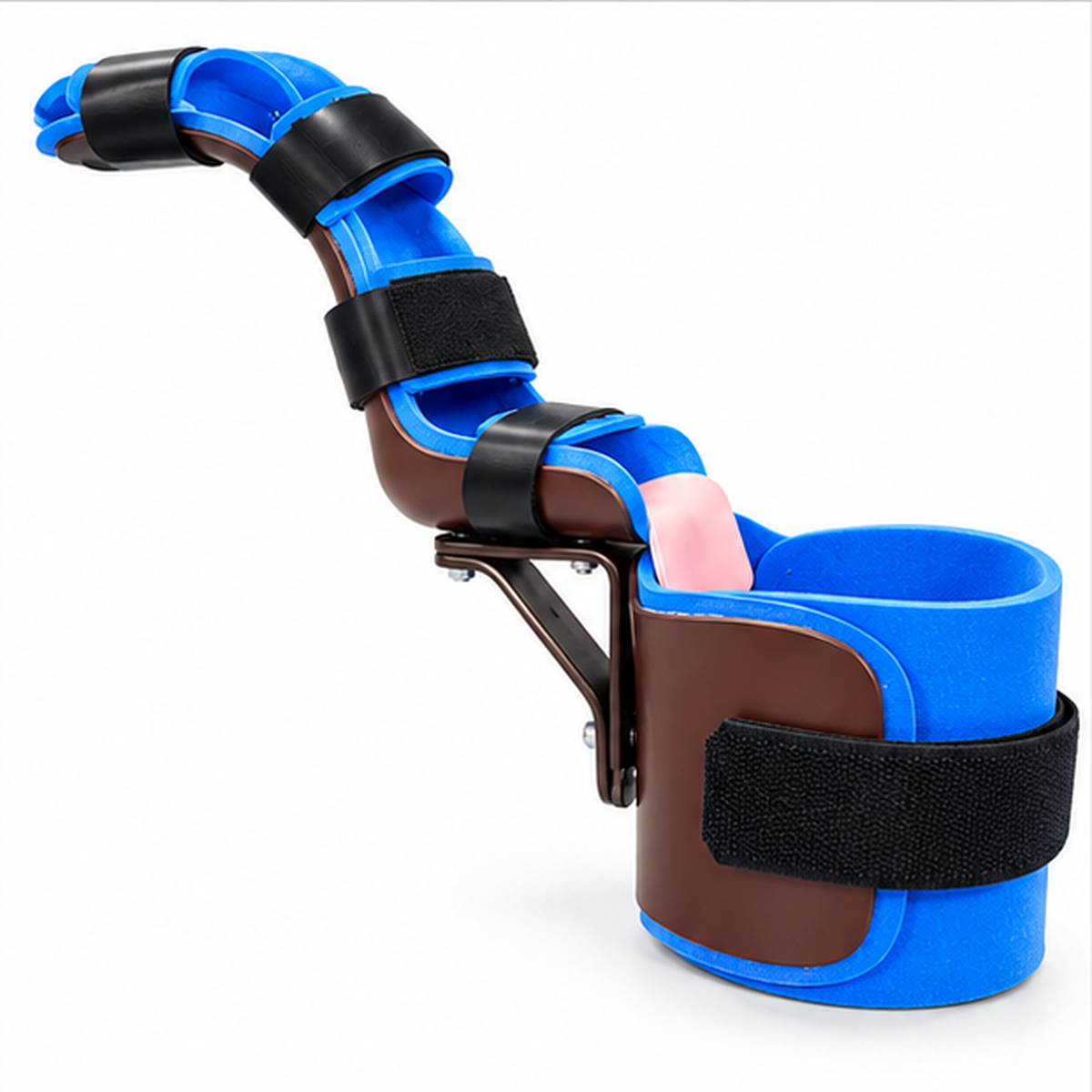
The Custom-Made Erb’s Palsy Splint is a specialised upper-limb orthotic device designed to provide positioning support, stability, and controlled alignment of the shoulder, arm, elbow, and wrist for individuals affected by Erb’s palsy and selected brachial plexus injuries.
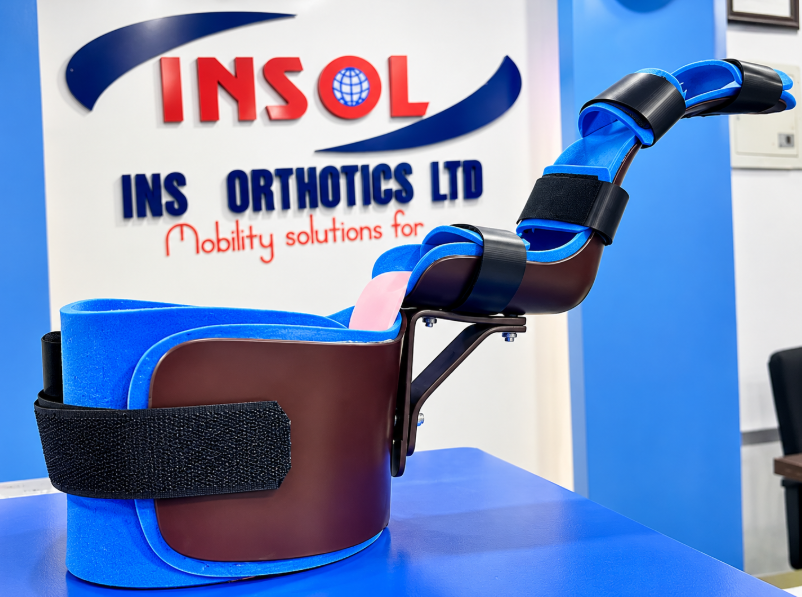
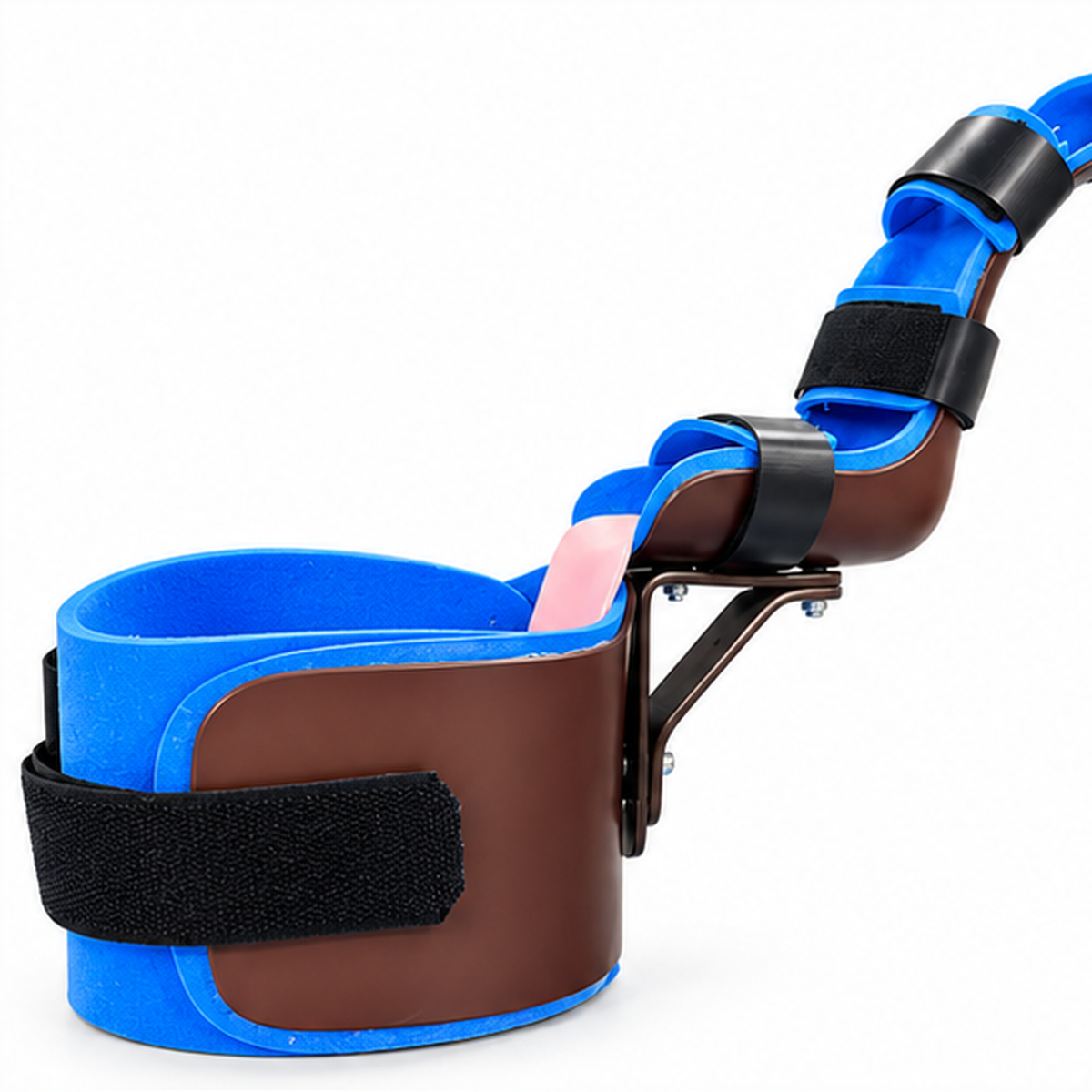
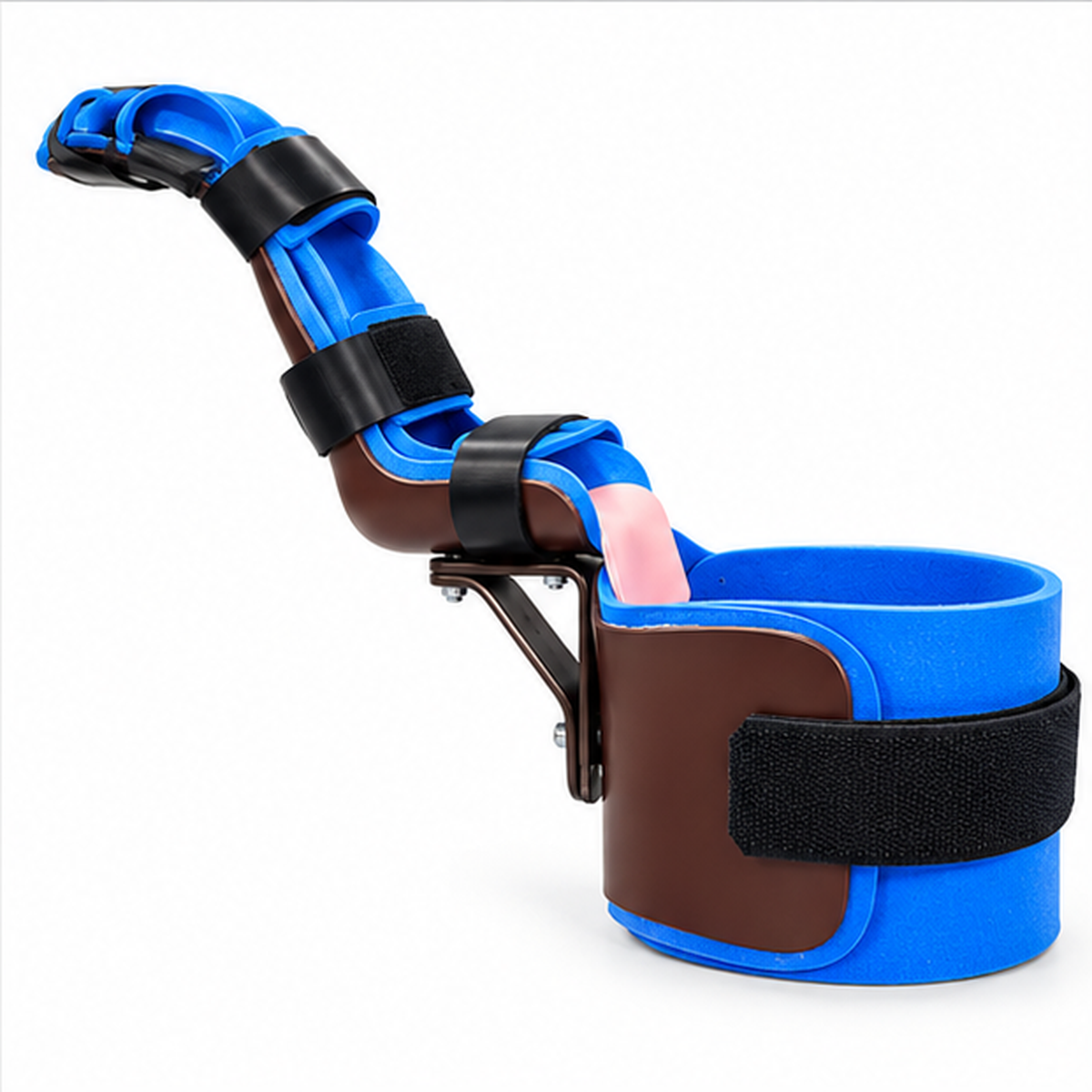
The splint features a supportive, anatomically contoured body section, a rigid arm-supporting structure, comfortable blue padding, adjustable fastening straps, and reinforced metal supports. Its design helps maintain the affected upper limb in a prescribed therapeutic position while supporting rehabilitation and reducing the risk of unwanted joint positioning. Individually fabricated according to the patient’s body measurements and clinical requirements, the splint is particularly suitable for children requiring customised upper-limb positioning and support.
Key Features
Custom-Made Design: Individually fabricated according to the patient’s measurements, age, physical condition, and rehabilitation requirements.
Shoulder and Arm Positioning: Helps maintain the affected upper limb in the prescribed therapeutic position.
Rigid Support Structure: Features a durable orthotic framework designed to provide controlled support and stability.
Adjustable Fastening Straps: Secure the arm and body sections for appropriate positioning and a personalised fit.
Comfortable Padded Interior: Features soft blue cushioning to improve comfort and reduce direct pressure on sensitive areas.
Contoured Body Support: Provides a stable attachment point for the arm-supporting structure.
Reinforced Metal Supports: Help maintain the prescribed arm position during use.
Lightweight Orthotic Design: Customised to balance structural support with practical everyday use.
Recommended Uses
Erb’s palsy (upper brachial plexus injury)
Selected obstetric brachial plexus injuries
Upper-limb muscle weakness associated with nerve injury
Shoulder positioning difficulties
Prevention or management of selected joint contractures
Post-operative positioning following certain brachial plexus procedures
Paediatric upper-limb rehabilitation
Conditions requiring prescribed shoulder and arm positioning
Benefits
Provides external support to the affected upper limb.
Helps maintain prescribed shoulder and arm alignment.
Supports therapeutic positioning during rehabilitation.
May help reduce the risk of certain joint contractures when appropriately prescribed.
Provides stability for weakened upper-limb muscles.
Offers individualised positioning according to clinical requirements.
Supports physiotherapy and occupational therapy programmes.
Helps caregivers maintain prescribed limb positioning during supervised use.
Important Information
The Custom-Made Erb’s Palsy Splint is a prescription-based orthotic device requiring professional assessment, accurate measurements, fabrication, and fitting by a qualified orthotist in consultation with the treating rehabilitation specialist.
The appropriate shoulder position, elbow angle, wearing schedule, and duration of use depend on the patient’s condition and treatment goals.
The splint does not directly repair damaged nerves or guarantee recovery of muscle function. Regular follow-up is important to monitor comfort, skin condition, joint mobility, growth, and rehabilitation progress.